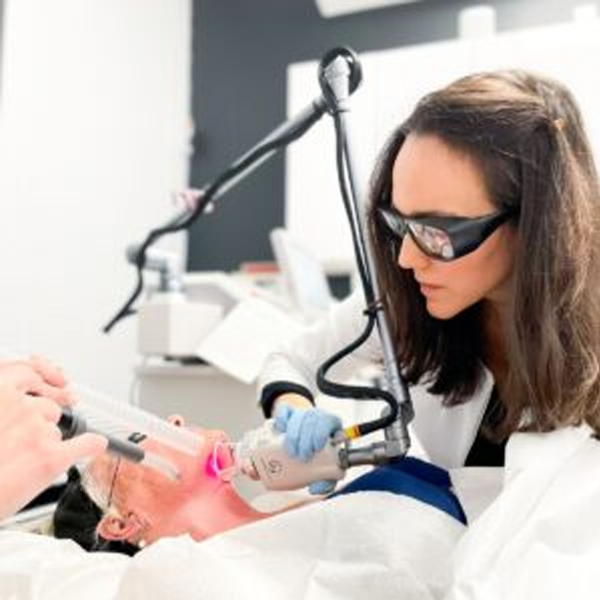
Laser hair removal is one of the most requested aesthetic treatments worldwide, and choosing the right technology is a critical decision for clinics, distributors, and professional buyers. Among all available options, 755nm Alexandrite, 808nm Diode, and 1064nm Nd:YAG lasers are the three most widely used wavelengths in professional hair removal systems. Which is the best laser for Hair Removal ?
But which laser is truly the best for hair removal?
The honest answer is: there is no single “best” wavelength for everyone. The best laser depends on skin type, hair color, hair thickness, treatment area, safety requirements, and business goals. This in-depth guide compares 755nm vs 808nm vs 1064nm lasers to help you make the right clinical and commercial decision.
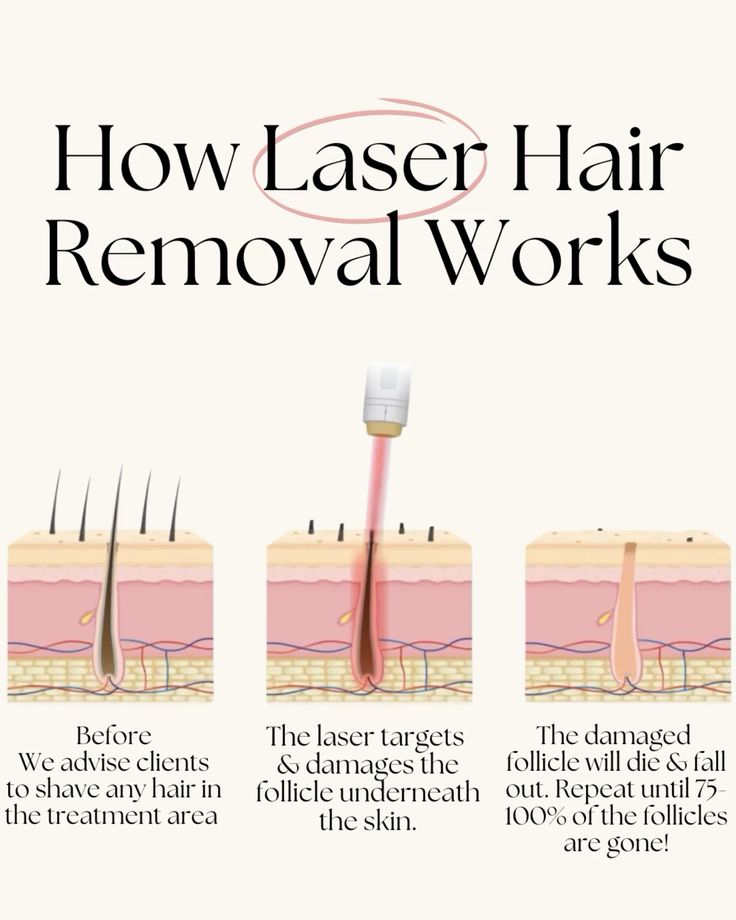
How Laser Hair Removal Works
Laser hair removal works on the principle of selective photothermolysis. The laser emits a specific wavelength of light that is absorbed by melanin in the hair shaft. This light energy converts into heat, damaging the hair follicle and reducing future hair growth.
Several factors influence treatment effectiveness:
- Wavelength and penetration depth
- Melanin absorption rate
- Skin type (Fitzpatrick I–VI)
- Hair thickness and density
- Cooling technology and pulse duration
Understanding how different wavelengths interact with melanin is essential when comparing 755nm, 808nm, and 1064nm laser systems.
755nm Alexandrite Laser – High Absorption, Fast Results
Best for: Light skin tones (Fitzpatrick I–III) with fine to medium dark hair
The 755nm Alexandrite laser has the highest melanin absorption among the three wavelengths. This makes it extremely effective at targeting pigmented hair, especially fine hair that can be difficult to treat with longer wavelengths.
Advantages of 755nm Laser Hair Removal
- Very high melanin absorption
- Excellent results on fine and light hair
- Faster visible reduction on pale skin
- Shorter treatment sessions
Limitations of 755nm Alexandrite Lasers
- Higher risk of burns and post-inflammatory hyperpigmentation
- Not recommended for dark or tanned skin
- Requires advanced cooling and experienced operators
Clinical Insight: 755nm systems deliver impressive results but demand strict patient selection. They are best suited for clinics serving mainly fair-skinned clients.
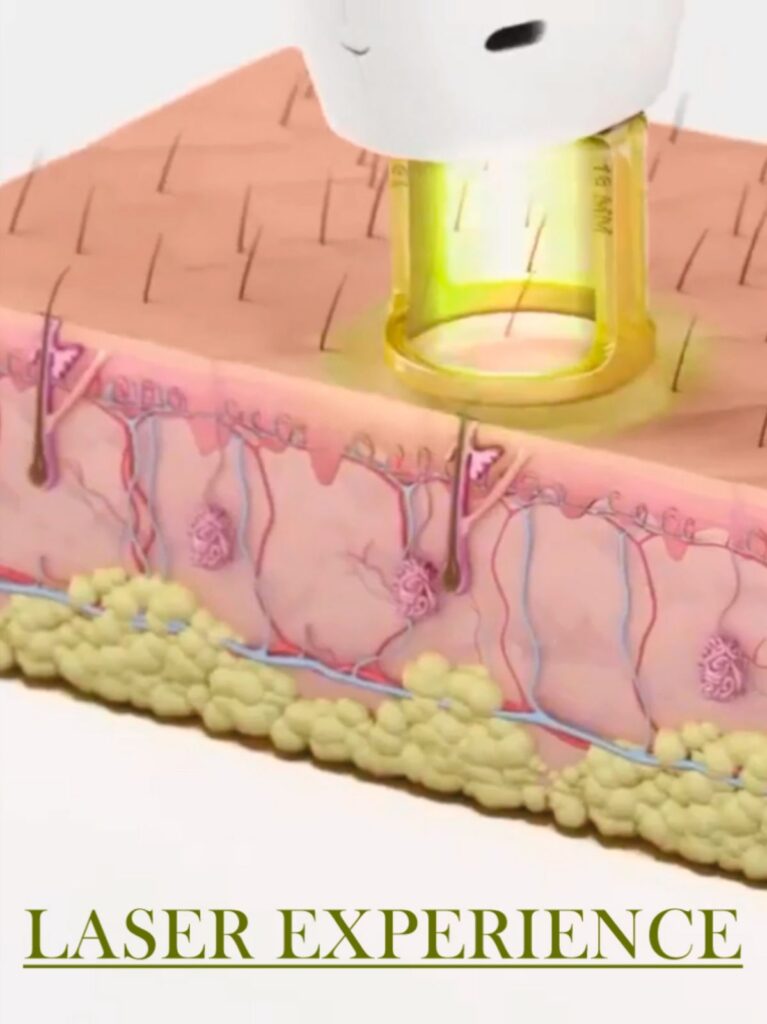
808nm Diode Laser hair removal – The Industry Gold Standard
Best for: Fitzpatrick I–V, most hair types and body areas
The 808nm diode laser is widely regarded as the most balanced and versatile wavelength for professional hair removal. It offers a strong combination of safety, effectiveness, and adaptability, which is why it dominates the global market.
Advantages of 808nm Diode Laser Hair Removal
- Balanced melanin absorption and penetration depth
- Safer for a wider range of skin types
- Effective on coarse and medium hair
- Lower risk of adverse skin reactions
- Compatible with high-power, large-spot systems
Limitations of 808nm Diode Laser hair removal
- Slightly less effective on very fine hair compared to 755nm
- Requires multiple sessions for optimal results
Business Insight: For clinics, distributors, and OEM buyers, the 808nm diode laser offers the best combination of clinical results, safety margin, and long-term return on investment.
1064nm Nd:YAG Laser hair removal– Maximum Safety for Dark Skin
Best for: Dark, ethnic, or tanned skin (Fitzpatrick IV–VI) with coarse hair
The 1064nm Nd:YAG laser has the deepest penetration depth and the lowest melanin absorption. This makes it the safest wavelength for treating dark skin, where epidermal melanin levels are high.
Advantages of 1064nm Nd:YAG Laser Hair Removal
- Highest safety on dark skin tones
- Deep follicle penetration
- Reduced risk of pigmentation issues
- Suitable for sensitive and vascular areas
Limitations of 1064nm Nd:YAG Laser hair removal
- Less effective on fine or light-colored hair
- Often requires more treatment sessions
- Can be less comfortable without proper cooling
Clinical Insight: The 1064nm laser prioritizes safety over speed, making it essential for clinics treating diverse or darker-skinned populations.

755nm vs 808nm vs 1064nm – Comparison Table
| Wavelength | Skin Types | Hair Type | Effectiveness | Safety | Typical Use |
|---|---|---|---|---|---|
| 755nm | I–III | Fine–Medium | High | Medium | Light skin, fine hair |
| 808nm | I–V | Most types | Very High | High | All-round clinical use |
| 1064nm | IV–VI | Coarse | Medium | Very High | Dark or tanned skin |
Which Laser Is Best for Clinics and Distributors on diode laser vs alexandrite vs nd yag?
From a commercial perspective, clinics increasingly prefer multi-wavelength diode laser systems combining 755nm + 808nm + 1064nm in one platform. These systems allow:
- Treatment of all skin types
- Customized protocols for each client
- Fewer contraindications
- Higher patient satisfaction
- Stronger competitive advantage
For distributors, triple-wavelength systems also simplify inventory and broaden market reach.
Single Wavelength vs Triple Wavelength Systems
Choosing between a single wavelength laser and a triple wavelength system depends on your business model:
- Single wavelength systems are suitable for niche clinics with a well-defined client profile
- Triple wavelength systems are ideal for clinics serving mixed populations or aiming for growth
In today’s competitive market, flexibility often translates directly into higher revenue.
Final Verdict: Which Laser Is Best for Hair Removal on diode laser vs alexandrite vs nd yag?
- 755nm Alexandrite: Best for light skin and fine hair
- 808nm Diode: Best overall performance and versatility
- 1064nm Nd:YAG: Best safety for dark skin
- Triple wavelength diode systems: Best long-term investment for clinics
The best laser is not defined by wavelength alone, but by precision, safety, adaptability, and business strategy.
Treatment Comfort, Cooling Technology, and Patient Experience
Beyond wavelength selection, treatment comfort plays a major role in patient satisfaction and retention. Modern hair removal systems rely heavily on advanced cooling technologies—such as contact sapphire cooling, air cooling, or cryogen spray—to protect the epidermis and reduce pain during treatment.
Shorter wavelengths like 755nm typically generate more superficial heat, making effective cooling essential to prevent discomfort or skin reactions. The 808nm diode laser benefits from its ability to operate in longer pulse durations, allowing heat to build up gradually in the follicle while maintaining a more comfortable experience. Meanwhile, 1064nm Nd:YAG lasers often require higher fluence levels, which makes integrated cooling systems critical for maintaining tolerable treatments.
From a clinic perspective, better comfort directly translates into improved patient compliance and higher course-completion rates.
Treatment Sessions, Results Timeline, and Maintenance
Regardless of wavelength, laser hair removal is not a one-time procedure. Hair grows in cycles, and lasers are only effective during the anagen (active growth) phase. Most clients require 6–8 sessions, spaced 4–6 weeks apart for the face and 6–8 weeks for the body.
- 755nm lasers may show faster visible reduction on fine hair
- 808nm diode lasers offer consistent, predictable results across sessions
- 1064nm lasers may need additional sessions but maintain superior safety
Clinics should educate clients that maintenance sessions may be required annually, especially for hormonal areas such as the face.
Choosing the Right Laser Based on Business Strategy
For aesthetic businesses, selecting a laser platform is both a clinical and financial decision. Factors such as treatment speed, consumable costs, operator training, and device longevity all affect profitability.
Clinics focused on efficiency often prefer 808nm diode or triple-wavelength systems due to their large spot sizes and fast repetition rates. For distributors and OEM partners, offering multi-wavelength platforms increases market adaptability and reduces customer hesitation.
Ultimately, investing in the right laser technology means aligning clinical capability with long-term growth potential.
FAQ – Laser Hair Removal Wavelengths
Is 808nm diode laser better than 755nm?
For most clinics, yes. The 808nm diode laser offers broader skin-type coverage and higher safety, making it more commercially viable.
Which laser is safest for dark skin?
The 1064nm Nd:YAG laser is the safest option for dark or tanned skin due to its low melanin absorption.
Is a triple wavelength laser worth it?
Yes. A 755nm + 808nm + 1064nm system allows clinics to treat all skin types with one device, maximizing ROI.