


In the ever-evolving world of aesthetic medicine, laser technology plays a pivotal role in skin resurfacing, scar reduction, and even intimate wellness. Among the most notable advancements is the CO2 fractional laser machine, which has largely transformed the standards of laser treatment. This article explores the key differences between fractional CO2 laser treatment and traditional laser techniques—helping practitioners and patients understand why the former is becoming the preferred choice.
What is a Traditional Laser?
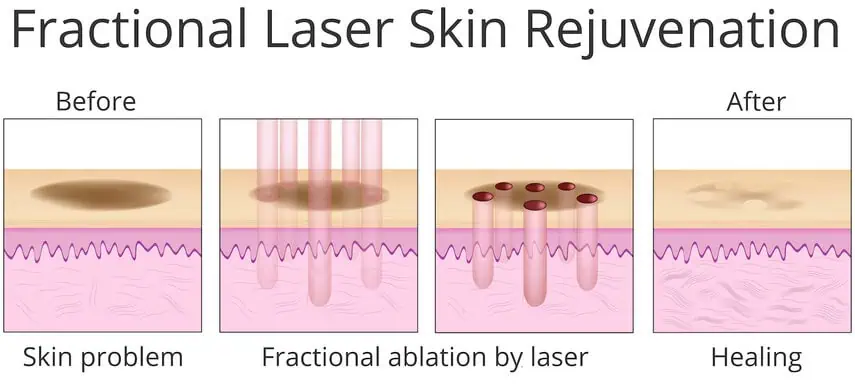
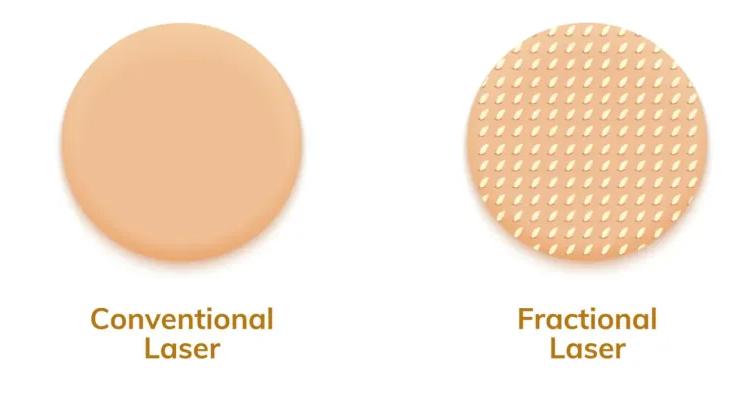
Traditional lasers—such as continuous CO2 or erbium lasers—emit a high-intensity beam that targets and vaporizes the top layer of the skin. While effective for skin resurfacing, traditional lasers remove large, uninterrupted sections of skin tissue. This results in longer downtime, higher risks of complications such as hyperpigmentation or scarring, and often, more painful healing.
What is a CO2 Fractional Laser?
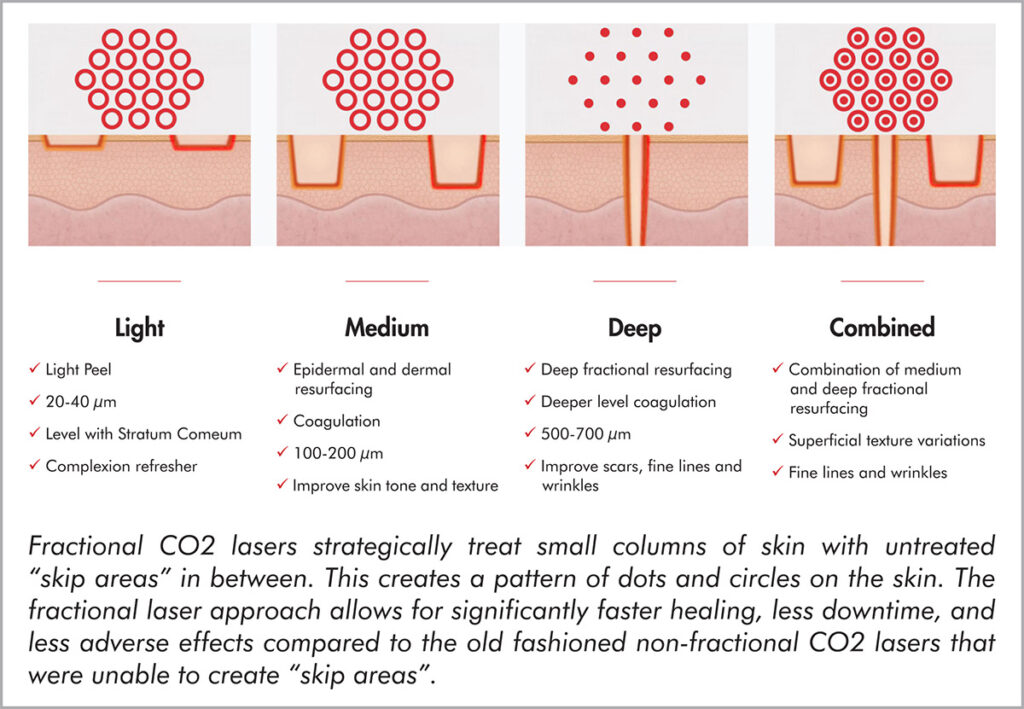
A CO2 fractional laser machine delivers laser energy in a fractional pattern, meaning it targets the skin in a pixelated manner, leaving untouched skin between each treated spot. These micro-injuries promote faster healing, increased collagen production, and less trauma to the skin. The result? Better efficacy with fewer side effects and significantly shorter recovery time.
Key Differences: Fractional CO2 Laser vs Traditional Laser
| Feature | Traditional Laser | Fractional CO2 Laser |
|---|---|---|
| Treatment Depth | Full-layer ablation | Fractional micro-columns |
| Healing Time | 1–2 weeks or more | 3–7 days |
| Pain Level | Higher | Moderate |
| Side Effects | Redness, swelling, scarring | Minimal side effects |
| Best Use | Deep wrinkles, severe scars | Wrinkles, scars, stretch marks, vaginal tightening, tone |
Applications of Fractional CO2 Laser Technology
1. Skin Resurfacing
Fractional laser treatment is ideal for improving skin texture, reducing fine lines, and minimizing large pores. The controlled injury promotes collagen regeneration, making it one of the best non-surgical options for facial rejuvenation.
2. Laser for Scars and Stretch Marks
Whether from acne or trauma, scars and stretch marks respond well to CO2 fractional laser therapy. The laser stimulates dermal remodeling, resulting in smoother and more even-toned skin over time.
3. Vaginal Tightening and Rejuvenation
One of the most revolutionary applications of the CO2 fractional laser machine is in gynecology. This non-invasive treatment improves vaginal elasticity, enhances lubrication, and helps with urinary incontinence. It’s a safe alternative to surgery for women seeking vaginal tightening post-childbirth or menopause.
Why Choose CO2 Fractional Laser Over Traditional Laser?
- Faster Recovery: Thanks to the micro-ablative technique, healing is significantly quicker.
- Minimal Downtime: Patients can return to normal activities sooner.
- Versatility: Suitable for both facial treatments and intimate care.
- Better Patient Satisfaction: Less discomfort, fewer risks, and more visible results.
Conclusion
The fractional CO2 laser represents a significant leap forward from traditional laser systems. With its ability to deliver precise, targeted treatment with minimal downtime, it has become the gold standard for skin rejuvenation and vaginal tightening. Whether addressing scars, stretch marks, or general signs of aging, this advanced technology offers superior outcomes with a higher safety profile.
Clinics looking to invest in a CO2 fractional laser machine are not only keeping pace with modern aesthetic demands—they’re leading the future of non-invasive cosmetic and intimate care.
2 thoughts on “70W Professional Fractional CO2 Laser vs Traditional Laser: A Modern Revolution in Skin resurfacing and Vaginal Rejuvenation”