

Introduction
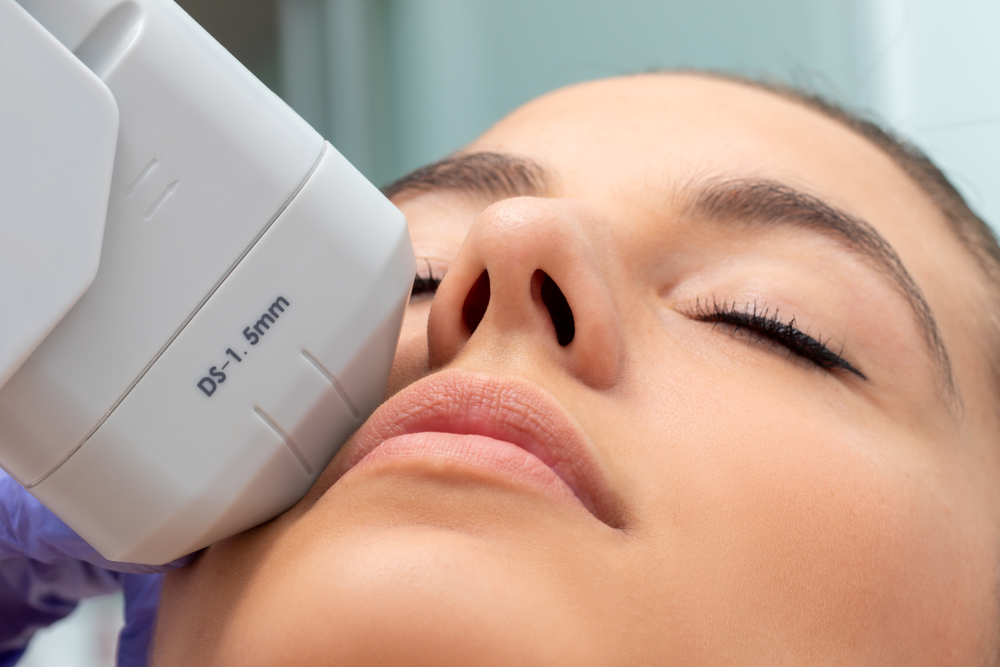
High-Intensity Focused Ultrasound has taken the non-invasive aesthetic world by storm. From HIFU to the more advanced 12D and 22D, this technology has evolved to deliver faster, deeper, and more precise results. Whether you’re considering a home device or a professional-grade HIFU machine, understanding the differences is essential for achieving optimal outcomes.
In this article, we’ll compare 22D, 12D, and 7D technologies, explore treatment effectiveness, examine HIFU before and after results for different areas like the jawline and neck, and analyze the global market trends.
What is HIFU?
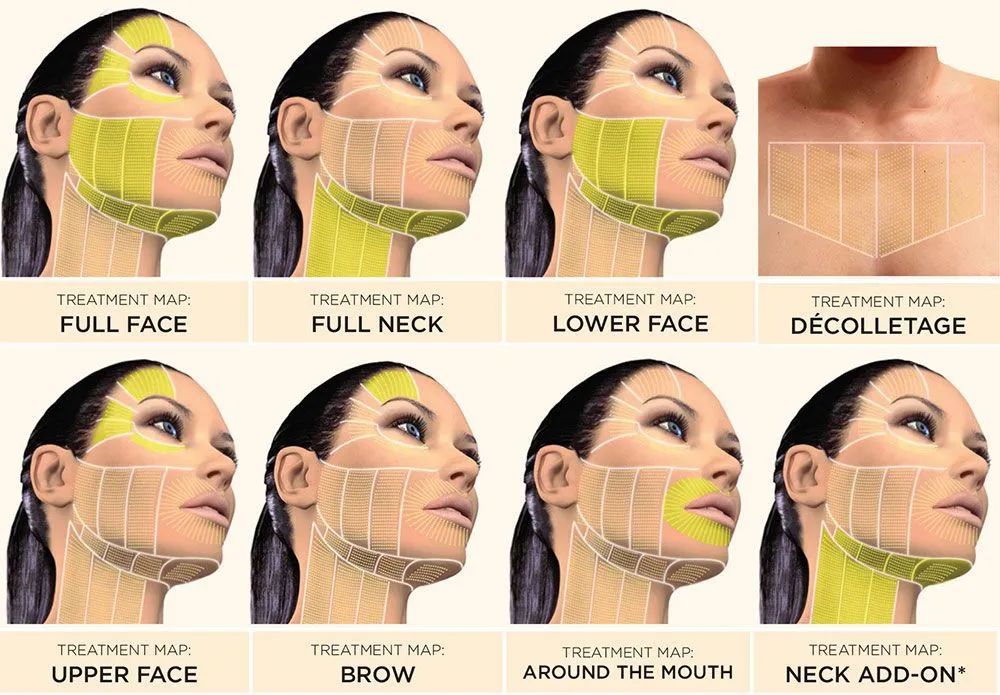
HIFU (High-Intensity Focused Ultrasound) is a non-surgical treatment that uses ultrasound energy to stimulate collagen production deep within the skin. It targets the SMAS (Superficial Musculoaponeurotic System) layer, the same layer addressed in a facelift—without any needles or downtime.
HIFU 7D vs 12D vs 22D: What’s the Difference?
| Feature | 7D | 12D | 22D |
|---|---|---|---|
| Lines per Shot | 7 Lines | 12 Lines | 22 Lines |
| Treatment Speed | Moderate | Faster than 7D | Fastest & most efficient |
| Depths Available | 1.5mm, 3.0mm, 4.5mm | 1.5mm, 3.0mm, 4.5mm, 6.0mm | Up to 13.0mm for body sculpting |
| Pain Level | Minimal discomfort | Minimal discomfort | Very comfortable due to even energy |
| Applications | Face & jawline | Face, jawline, neck | Full face, neck, and body (belly, arms) |
| Session Time | 45–60 minutes | 30–45 minutes | 20–30 minutes |
| Target Users | Facial Rejuvenation Seekers | Advanced Anti-Aging Users | Clinics offering body + facial treatments |
Before and After: Real Results
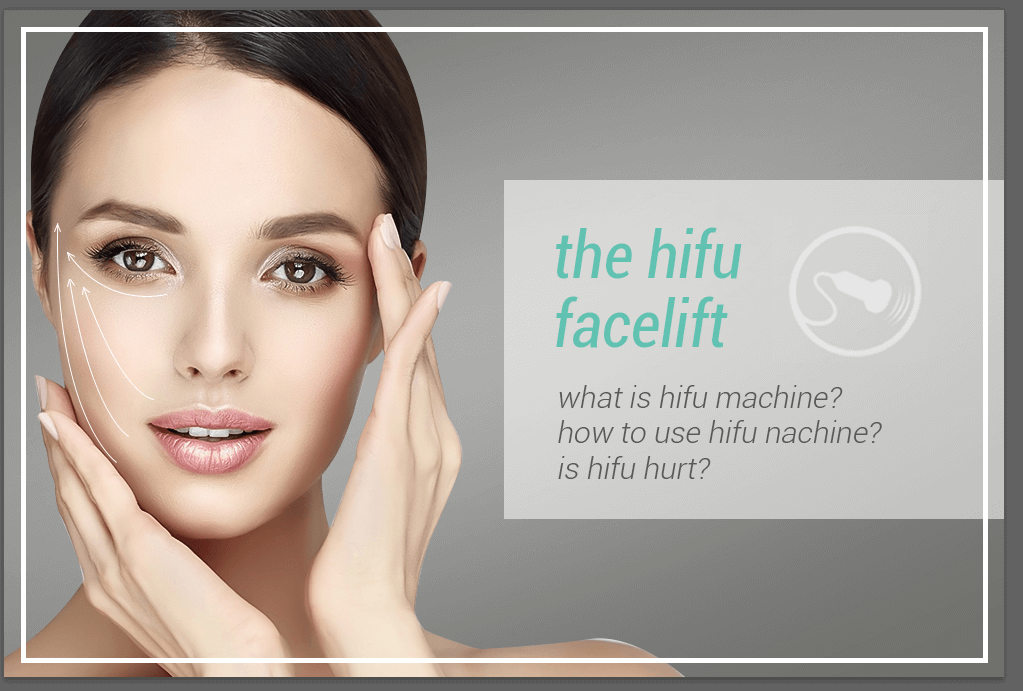
- before and after jawline: Most patients see visible tightening within 2–3 weeks, with contour enhancement and reduced jowls.
- neck before and after: Skin laxity improves significantly, especially for mild-to-moderate sagging.
- Full-face results: Improvement in fine lines, nasolabial folds, and cheek lifting is evident within 1–2 months.
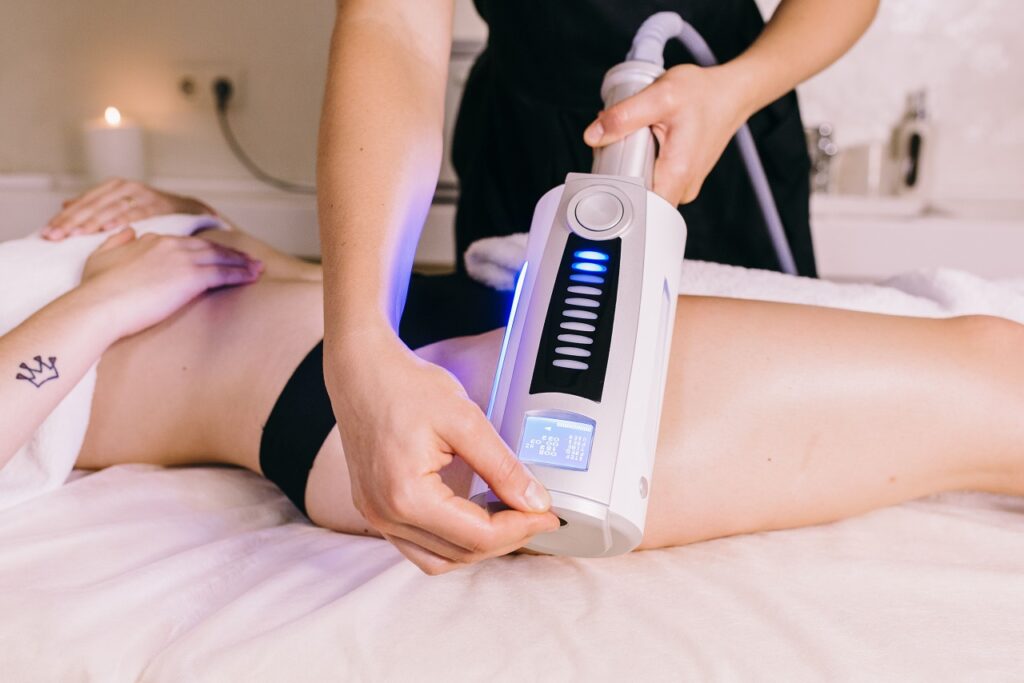
- Body sculpting with 22D: Results include tighter skin and reduced fat in areas like the arms, thighs, and abdomen.
How long does HIFU last? Typically, results last 12–18 months, depending on age, lifestyle, and device quality.
Treatment Duration and Recovery
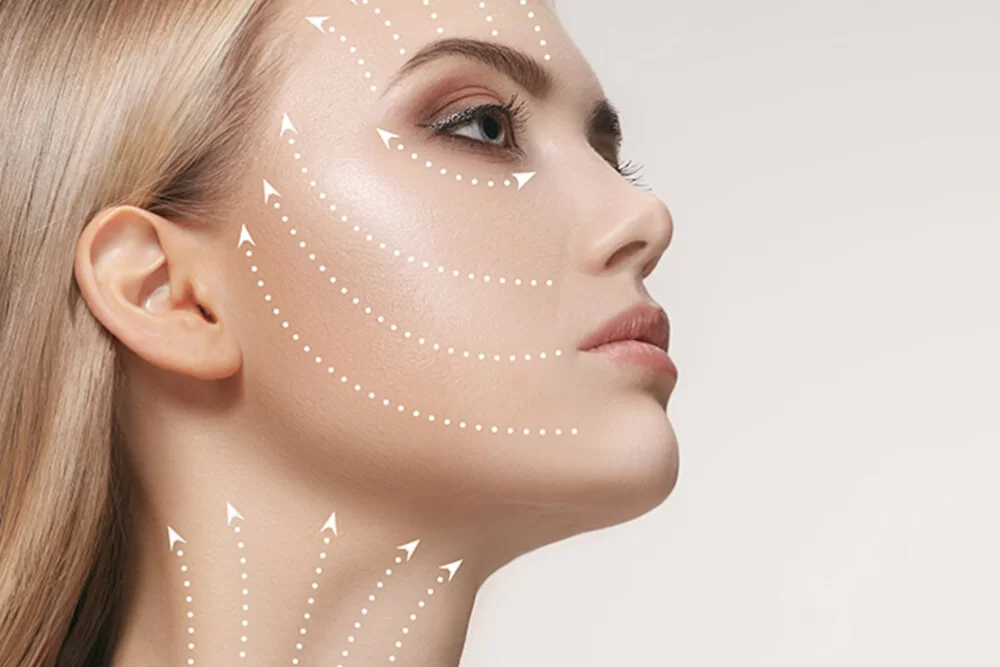
Each HIFU session lasts between 20–60 minutes. Most individuals need just one session per year, although touch-ups may be needed for older clients. There is no downtime, making it ideal for busy clients or those seeking subtle, gradual results.
Home vs Professional HIFU Devices
home devices are becoming increasingly popular due to affordability and convenience. However, they operate at lower energy levels and penetrate less deeply compared to professional machines. For significant lifting, especially for deeper wrinkles or body contouring, professional machines offer more dramatic and lasting results.
Global Market & Trends
- The global HIFU machine market is expected to grow by 8.4% CAGR through 2030, driven by demand for non-surgical lifting solutions.
- Asia-Pacific leads in device manufacturing and usage, especially South Korea and China.
- Clinics now increasingly offer 22D HIFU, branding it as a hybrid solution for both facial and body lifting in a single session.
- Before and after face lifting treatment visuals on social media drive consumer interest and decision-making.
Conclusion: Which HIFU is Right for You?
- Choose 7D if you’re starting out with light skin laxity and need facial rejuvenation.
- Go for 12D if you’re targeting multiple layers of the face and neck more efficiently.
- Opt for 22D if you’re a clinic offering comprehensive face + body solutions or want premium-level results.
Whether you’re a professional clinic or considering a skin lifting device for home use, HIFU technology offers a powerful, pain-free way to lift, tone, and rejuvenate—without surgery.
At last, are you looking forward to Hifu 25D Max? The 25D HIFU system delivers precise energy at multiple depths to lift and tighten the skin without surgery. It effectively stimulates collagen regeneration, reduces wrinkles, and improves facial contouring, providing visible lifting results with minimal discomfort and no downtime.

6 thoughts on ““HIFU 7D vs 12D vs 22D: Which Technology Delivers the Best Skin Lifting Results?””