CO2 fractional laser (10,600nm) is one of the most powerful and effective skin-resurfacing technologies used for acne scars, deep wrinkles, skin texture renewal, and advanced anti-aging. It is considered the “gold standard” ablative laser treatment because it removes damaged tissue while stimulating rapid collagen remodeling.
This article will help clinics, distributors, and buyers understand how CO2 fractional lasers work, what they treat, the benefits, downtime, risks, and how they compare with 1550nm and 1927nm lasers.
What Is CO2 Fractional Laser (10,600nm)?
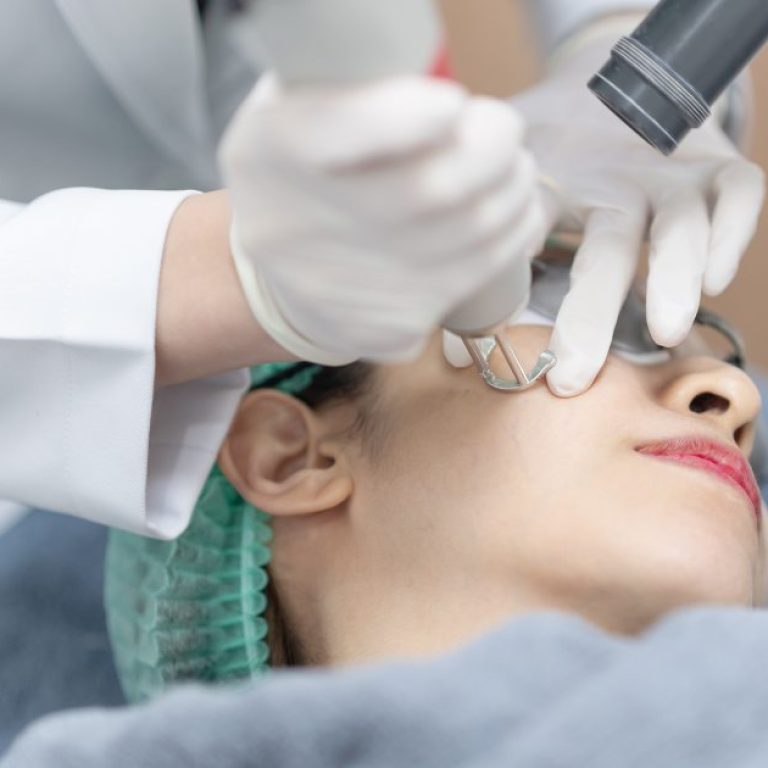
CO2 fractional laser is an ablative fractional resurfacing technology.
It works by delivering thousands of microscopic beams into the skin, vaporizing damaged tissue and triggering deep dermal collagen regeneration.
Key Characteristics:
- Wavelength: 10,600nm
- Laser type: Ablative (removes skin surface)
- Target: Water in skin (high absorption)
- Penetration depth: 200–1000 μm
- Results: Strong resurfacing, dramatic skin renewal
Unlike fully ablative CO2 lasers used in the past, modern fractional CO2 treats only a portion of the skin surface at a time, reducing downtime and side effects while still delivering strong results.

How CO2 Fractional Laser Works
CO2 fractional lasers create controlled micro-injuries called Micro-Thermal Zones (MTZs).
1. Ablation (Vaporization of Tissue)
The laser energy instantly heats water in the skin, causing controlled evaporation of damaged epidermal tissue.
2. Coagulation (Thermal Injury for Remodeling)
Heat extends into the dermis, denaturing collagen and stimulating fibroblasts.
3. Regeneration (New Skin Growth)
Surrounding healthy skin accelerates healing, forming new:
- Collagen
- Elastin
- Epidermal structure
This produces dramatic improvements in texture, scars, and deep wrinkles.
What Conditions Does CO2 Fractional Laser Treat?
CO2 laser is ideal for moderate to severe skin problems requiring aggressive remodeling.
1. Acne Scars (Best for boxcar & ice-pick scars)
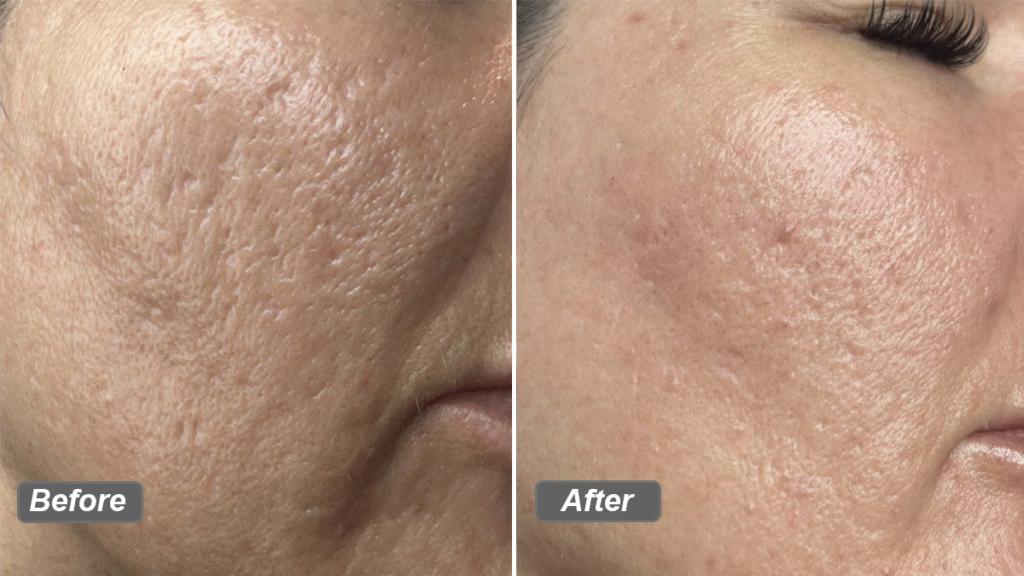
CO2 fractional laser is highly effective for treating deep acne scars.
Clinics and patients looking for a full treatment plan can refer to our 2026 Acne Scar Treatment Guide for step-by-step methods.
2. Deep Wrinkles & Fine Lines
Especially effective for:
- Perioral lines
- Crow’s feet
- Forehead wrinkles
3. Skin Texture & Large Pores
Removes damaged skin layers and rebuilds smoother texture.
4. Sun Damage & Pigmentation
Including:
- Solar keratosis
- Photoaging
- Stubborn hyperpigmentation
5. Stretch Marks
Stimulates collagen remodeling in striae alba.
6. Skin Tightening
Thermal coagulation improves skin laxity.
CO2 vs 1550nm vs 1927nm – Which Laser Is Best?
Clinics often wonder whether CO2 or 1550nm lasers are better for acne scars. Our CO2 vs 1550 for Acne Scars Comparison provides a detailed evaluation to help you choose.
If you’re comparing 1550nm and CO2 lasers for acne scars, check out our 1550nm vs CO2 – Which Is Better for Acne Scars? article for a side-by-side analysis.
For superficial skin issues such as pigmentation or melasma, see our 1550nm vs 1927nm guide to determine the best option.
| Laser | Type | Best For | Downtime |
|---|---|---|---|
| CO2 (10,600nm) | Ablative | Deep scars, wrinkles, heavy texture | 5–10 days |
| 1550nm | Non-ablative | Mild–moderate scars, pores, rejuvenation | 1–3 days |
| 1927nm | Superficial | Pigmentation, melasma, tone | <24 hours |
Treatment Parameters (For Professional Use)
Energy (mJ):
Typical range: 20–100 mJ depending on indication.
Density (%):
Lower density = deeper penetration & faster healing
Higher density = more coverage but longer downtime
Pulse Duration:
Short pulse → shallow ablation
Long pulse → deeper coagulation
Spot Size:
120–200 μm typical for fractional delivery.
Treatment Results (Before/After Expectations)
Improvements visible after 1–3 sessions:
- 40–70% reduction in acne scars
- Up to 80% wrinkle improvement
- Smoother skin texture
- Better pore size
- Brighter and tighter skin
Best results appear 2–3 months after treatment when collagen fully remodels.
Downtime: What to Expect
CO2 fractional laser requires 5–10 days of downtime, including:
| Day | Expected Symptoms |
|---|---|
| 1–2 | Redness, heat, swelling |
| 3–4 | Bronzing, micro-crusting |
| 5–7 | Peeling & renewal |
| 7–10 | Pinkness, mild sensitivity |
Risks & Side Effects
While safe when used correctly, CO2 lasers may cause:
- Post-inflammatory hyperpigmentation (PIH)
- Erythema (can last 1–2 weeks)
- Infection (rare)
- Scarring (very rare with proper technique)
High caution for Fitzpatrick skin types V–VI.
Who Is a Good Candidate?
✔ Severe acne scars
✔ Deep wrinkles
✔ Coarse texture
✔ Sun damage
✔ Light–medium skin tones (Fitz I–III)
Contraindications
✘ Fitzpatrick V–VI
✘ Active acne infection
✘ Recent isotretinoin use
✘ Tendency to keloids
✘ Pregnancy
Conclusion
CO2 fractional laser remains one of the most effective technologies for deep scars, wrinkles, and advanced skin resurfacing. With strong collagen regeneration effects, it is the gold standard for dramatic, long-lasting skin improvement when performed by trained professionals.