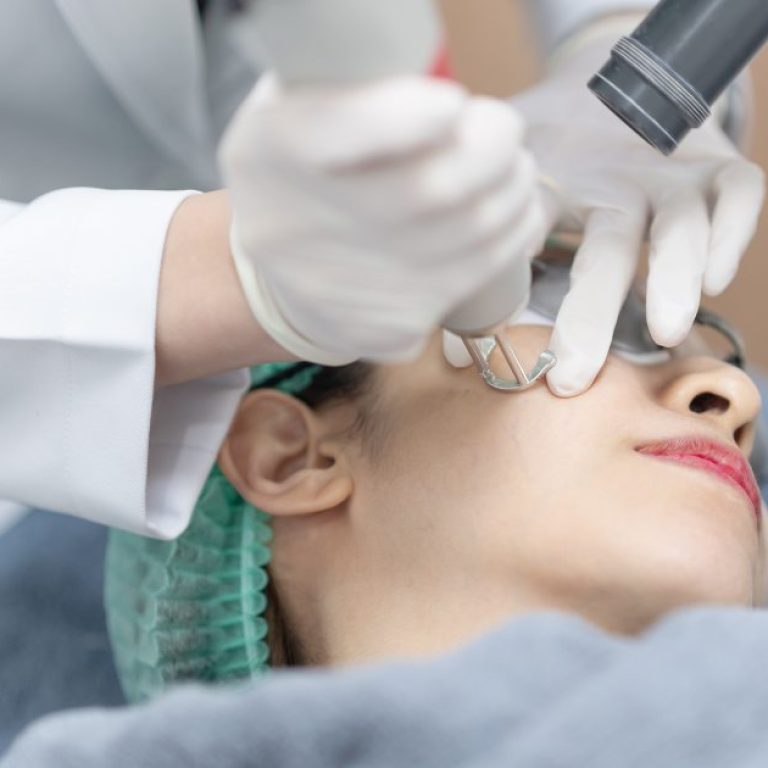
Enlarged pores are one of the most common skin concerns among adults, especially those with oily or textured skin. While pores are a natural part of the skin, certain genetic, hormonal, and environmental factors make them appear larger over time.
In this 2026 full guide, we’ll explain the true causes of enlarged pores, debunk the most common myths, and show you the most effective treatments — including fractional laser options.
What Actually Causes Enlarged Pores?
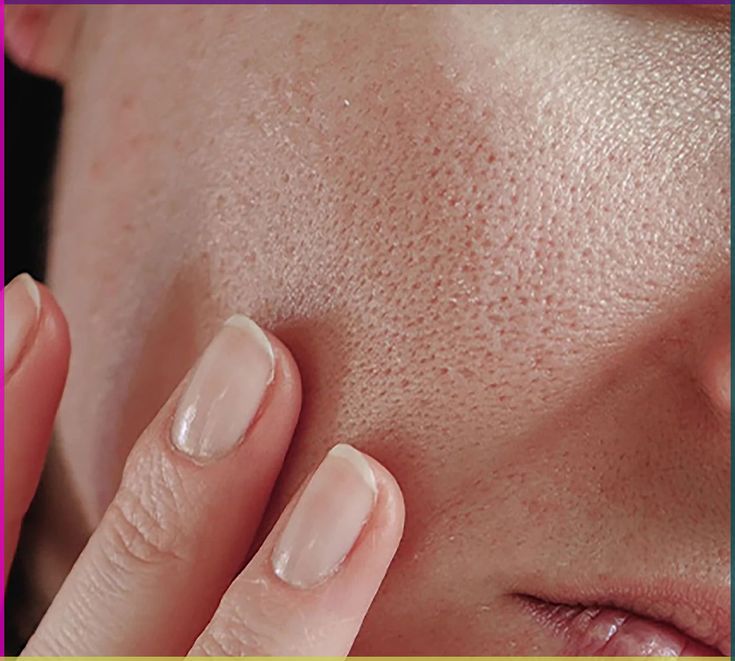
1. Excess Sebum Production
Overactive sebaceous glands stretch pore openings, making them appear larger.
This is why individuals with oily or combination skin types struggle more with visible pores.
2. Loss of Collagen and Elasticity
As collagen declines with age, pore walls lose support.
This causes pores to look wider and deeper — even if your skin is not oily.
3. Thickened or Uneven Skin Texture
Dead skin buildup, sun damage, and slow cell turnover can make pores look darker or more pronounced.
4. Genetics
Some people are simply born with naturally larger pores, especially on the nose and cheeks.
Common Myths About Enlarged Pores
Myth 1: You can “close” pores
Pores do not open or close like doors.
They can only appear smaller through treatments that rebuild collagen or reduce sebum.
Myth 2: Ice water or toners shrink pores permanently
Cold water tightens the skin temporarily, but it does not change pore size long-term.
Myth 3: Scrubbing the skin reduces pores
Actually, harsh scrubbing can irritate skin, increase oil production, and make pores look worse.
Myth 4: Only oily skin has pore issues
Aging, UV exposure, and collagen loss affect pore size even in dry skin.
Understanding these myths helps you choose treatments that actually work.
The Most Effective Treatments for Enlarged Pores in 2026

1. Fractional Laser for Pore Reduction (Most Effective & Scientifically Proven)
Fractional laser therapy is one of the best long-term solutions for enlarged pores, especially when caused by aging, acne scars, or collagen loss.
Fractional lasers stimulate collagen in the dermis, tightening pore walls from the inside.
This leads to smoother, tighter-looking pores over 2–6 sessions.
For a full explanation of how fractional lasers help improve pores and texture, see:
👉 Fractional Laser for Pore Reduction
2. 1550nm vs 1927nm Lasers — Which Works Better for Pores?
Both lasers improve skin texture, but they work differently:
★ 1550nm Erbium Glass Laser
- Penetrates deeper into the dermis
- Strong collagen remodeling
- Best for deeper pores, acne-scar pores, and texture damage
- Minimal downtime
★ 1927nm Thulium Laser
- More superficial
- Ideal for pigmentation, early aging, and mild pore roughness
- Excellent for overall brightening
To understand which laser suits each skin concern, read:
👉 1550nm vs 1927nm for Skin Texture
This comparison helps both clinics and patients choose the right resurfacing solution.
3. Chemical Peels
AHA/BHA peels help exfoliate the upper layers of the skin and reduce superficial pore congestion.
Good for mild pore problems, but results are temporary.
4. Retinol and Medical-Grade Topicals
Retinoids increase cell turnover and stimulate collagen production, which gradually refines pores.
Best for ongoing maintenance.
5. Microneedling & RF Microneedling
These treatments stimulate collagen through controlled micro-injuries.
RF microneedling is better for pore tightening because it heats the dermis and supports long-term collagen repair.
Which Treatment Is Best for You?
✔ Oily skin + clogged pores → Chemical peels + retinoids
✔ Aging skin + sagging pore walls → 1550nm laser or RF microneedling
✔ Pigmentation + pores → 1927nm Thulium laser
✔ Acne-scar pores → Combination of 1550nm + CO2
Those with deeper, textured pores often benefit most from fractional laser-based collagen remodeling, not just topical skincare.
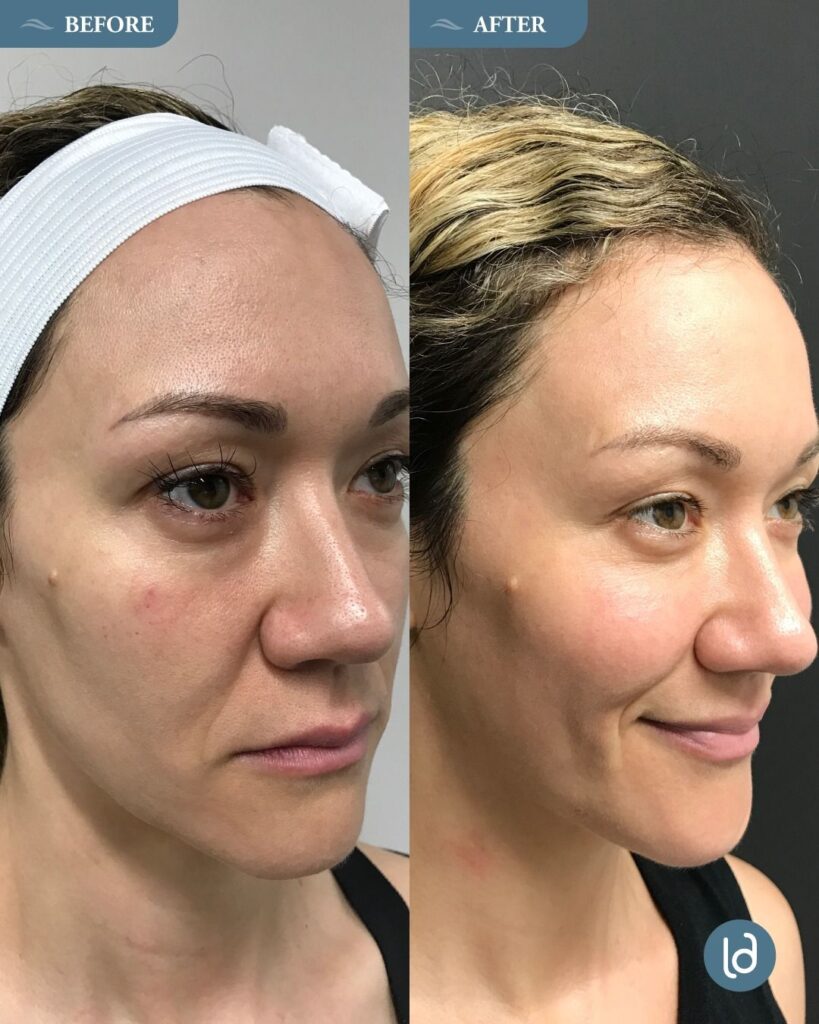
Summary: How to Truly Reduce Enlarged Pores
To permanently improve enlarged pores, you must target the dermal structure, not just the surface.
Fractional lasers — especially 1550nm and 1927nm — remain the clinically proven, long-term solution for pore tightening and texture refinement.