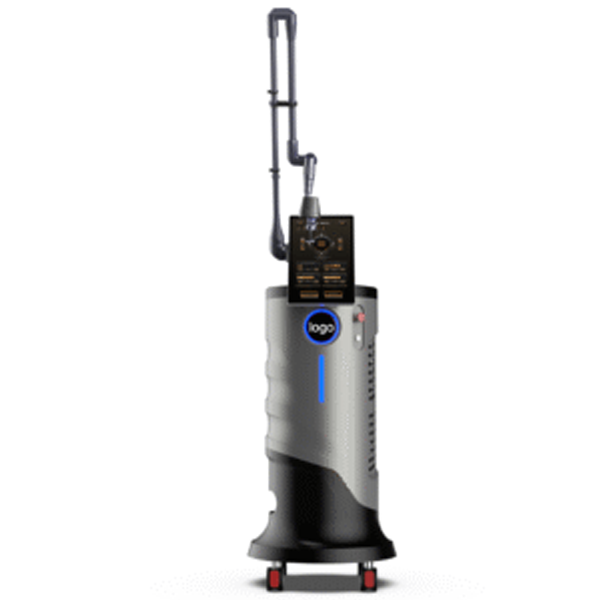
Fractional laser treatments are widely used in modern aesthetic clinics for skin resurfacing, scar reduction, and overall skin rejuvenation. While these treatments deliver proven clinical results, fractional laser safety depends heavily on proper operation, correct parameter settings, and standardized treatment protocols.
How to use Fractional laser safely? This guide outlines practical, step-by-step fractional laser treatment guidelines to help practitioners perform procedures safely and effectively in a clinical environment.
Understanding Fractional Laser Technology
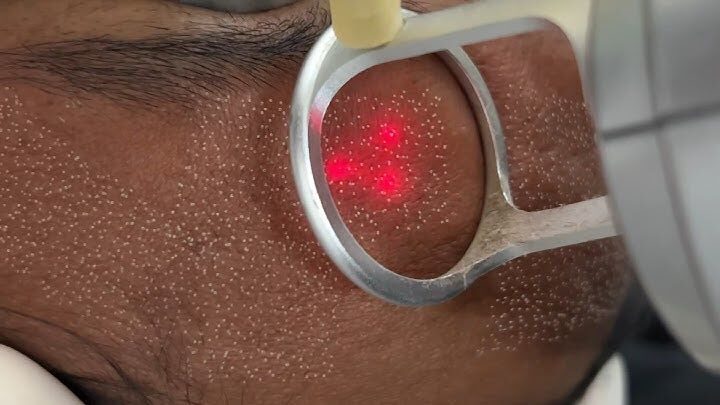
Fractional laser systems work by creating controlled microthermal treatment zones in the skin while leaving surrounding tissue intact. This approach promotes collagen regeneration and faster healing compared to traditional ablative methods.
However, because fractional lasers deliver concentrated thermal energy, professional fractional laser operation is essential to minimize risks such as burns, prolonged erythema, or post-inflammatory hyperpigmentation.
Pre-Treatment Preparation and Patient Assessment
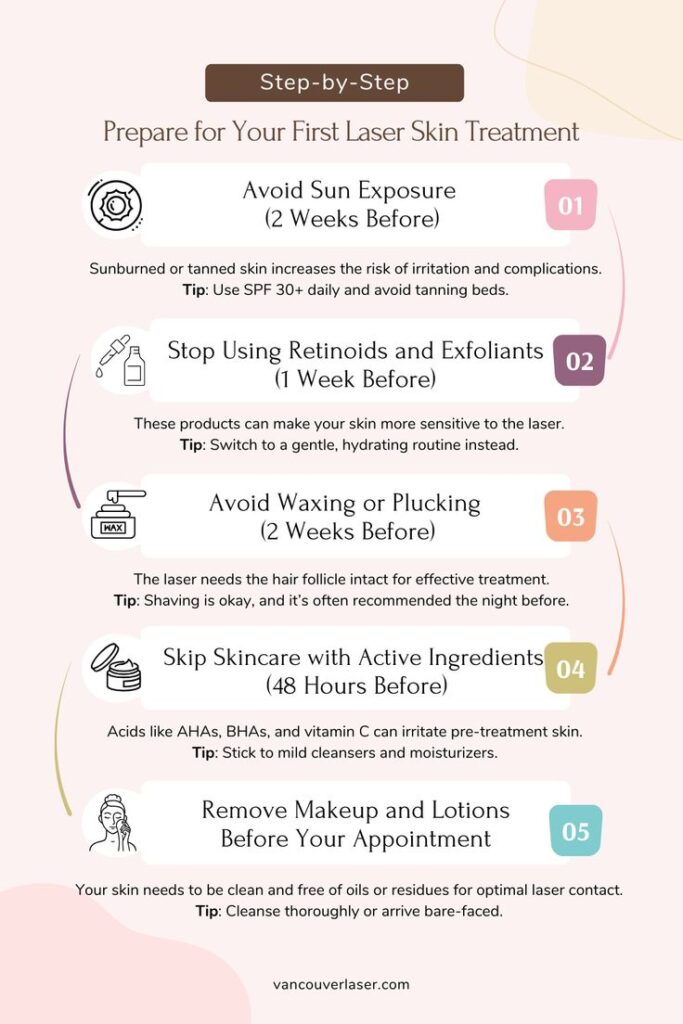
Before performing any procedure, a thorough patient evaluation is critical.
Key pre-treatment steps include:
- Assessing skin type and treatment indication
- Reviewing medical history and contraindications
- Explaining expected results, downtime, and possible side effects
- Obtaining informed consent
The treatment area should be properly cleansed and disinfected. Topical anesthetic may be applied when necessary, depending on energy levels and patient sensitivity.
Setting Parameters Correctly
Correct parameter selection is one of the most important factors in how to use a fractional laser safely.
Practitioners should adjust:
- Energy output based on skin condition and treatment depth
- Pulse duration to control thermal diffusion
- Density or scanning pattern to balance efficacy and recovery time
It is always recommended to begin with conservative settings, especially for first-time treatments, and gradually adjust based on skin response.
Safe Operation During Treatment
During treatment, consistent technique and attention to skin response are essential for maintaining fractional laser safety.
Best practices include:
- Maintaining proper handpiece distance and angle
- Avoiding excessive overlap of laser spots
- Monitoring skin reaction in real time
- Communicating with the patient regarding comfort levels
If abnormal reactions occur, treatment should be paused immediately and parameters reassessed.
Post-Treatment Care and Recovery Guidelines
Effective fractional laser post treatment care is essential to reduce complications and optimize results.
Post-treatment recommendations typically include:
- Cooling the treated area to reduce discomfort
- Applying prescribed soothing or repairing products
- Avoiding sun exposure and heat sources
- Using broad-spectrum sunscreen during recovery
Patients should be advised not to pick or scratch the treated area and to follow aftercare instructions carefully.
Operator Training and Equipment Maintenance
Safe results are not only dependent on technique but also on operator knowledge and equipment condition. Clinics should ensure that all practitioners receive proper training and understand standardized fractional laser treatment guidelines.
Routine maintenance, calibration, and system checks help ensure consistent energy output and reduce technical risks during treatment.
Managing Risks and Improving Treatment Consistency
Even when standard fractional laser treatment guidelines are followed, individual skin response may vary. Practitioners should closely observe early signs of excessive thermal reaction, such as prolonged redness, blistering, or unusual discomfort, and adjust parameters immediately. Early intervention plays a key role in maintaining overall fractional laser safety.
Patch testing is highly recommended for patients with sensitive skin or higher Fitzpatrick skin types. Performing a small test area before full treatment allows clinicians to evaluate tissue response and fine-tune settings, which is essential when learning how to use a fractional laser safely in diverse clinical cases.
Consistent documentation also improves treatment outcomes. Recording parameters, skin reactions, and recovery progress helps practitioners refine protocols over time and ensures repeatability across sessions. Combined with regular staff training and equipment checks, these practices enhance professional fractional laser operation and contribute to predictable, high-quality results.
Conclusion
Understanding how to use a fractional laser safely is essential for delivering reliable clinical outcomes and maintaining patient trust. By following structured treatment guidelines, selecting appropriate parameters, and emphasizing post-treatment care, clinics can maximize results while minimizing risks.
A well-operated fractional laser system is not only a treatment tool, but a long-term investment in safety, professionalism, and clinical success.