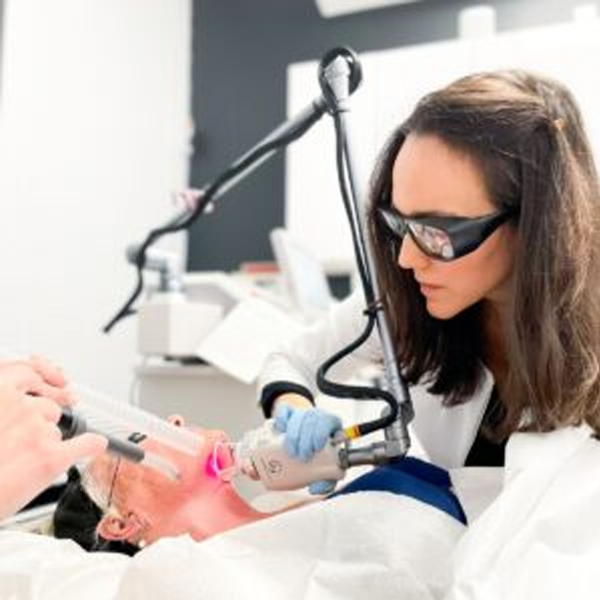
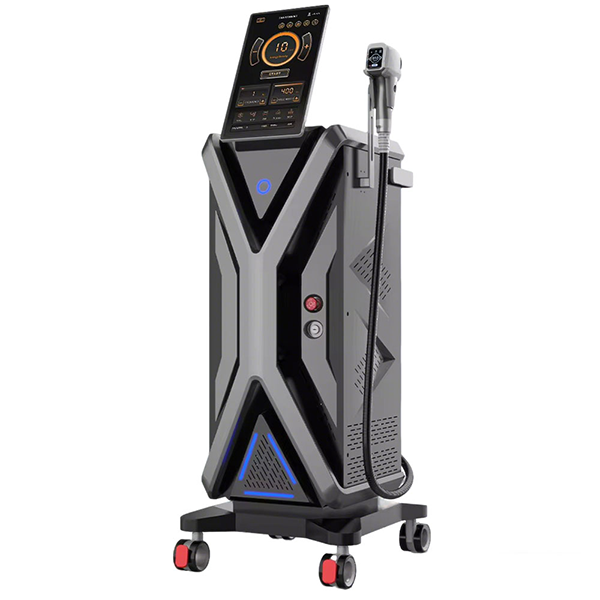
Choosing the right diode laser hair removal machine is one of the most important decisions for any aesthetic clinic or beauty center. With the rapid growth of the medical aesthetics industry, more clinics are investing in advanced laser technology to provide safe, efficient, and long-lasting hair removal treatments.
However, not all machines are created equal. Selecting a professional laser hair removal machine requires careful evaluation of performance, safety, durability, and manufacturer reliability. This guide will help clinic owners and distributors understand the key factors to consider before purchasing.
1. Check the Wavelength of the Diode Laser
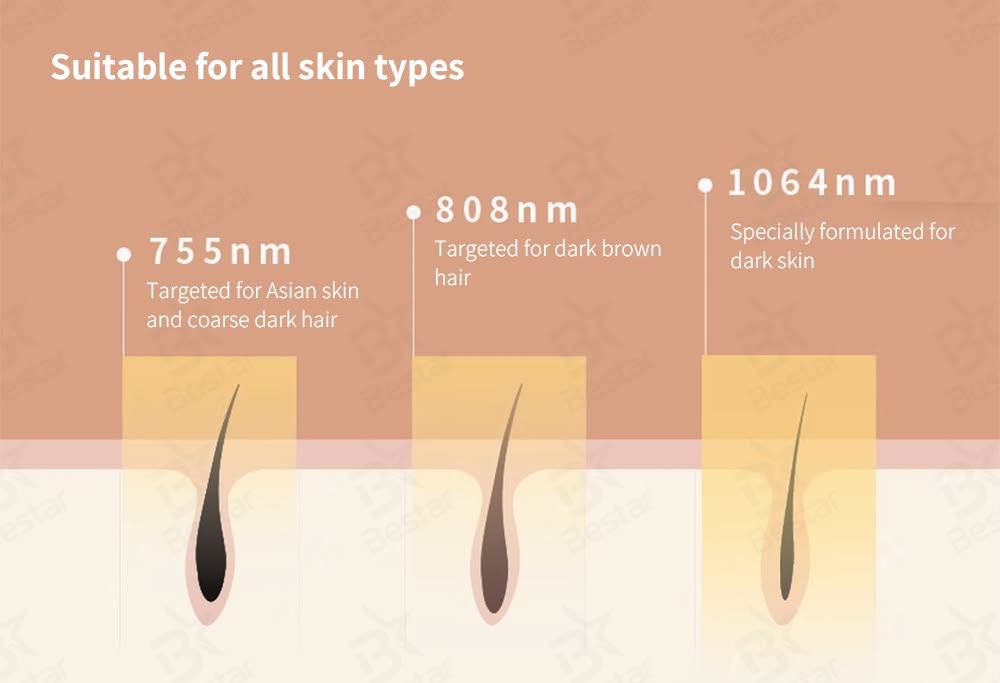
The wavelength is one of the most critical specifications in any medical diode laser system. It determines how deeply the laser penetrates the skin and how effectively it targets hair follicles.
The most commonly used wavelengths include:
- 755nm – Ideal for fine and light hair
- 808nm – The most widely used standard wavelength
- 1064nm – Suitable for darker skin types
Many modern systems combine these into a triple wavelength diode laser, allowing clinics to treat a wider range of clients safely and effectively.
For clinics serving diverse skin tones, choosing a multi-wavelength hair removal machine for clinics significantly improves treatment versatility.
2. Evaluate Power and Energy Output
Power directly affects treatment speed and effectiveness. A higher power output allows the machine to deliver faster sessions and better clinical results.
Key specifications to check:
- Laser power (commonly 600W–3000W)
- Energy density (J/cm²)
- Pulse duration
- Spot size
A high-quality diode laser hair removal machine should maintain stable energy output even during long treatment sessions. This ensures consistent results and protects the machine from overheating.
Clinics with high client volume especially benefit from powerful and reliable systems.
3. Cooling System Is Essential for Safety and Comfort
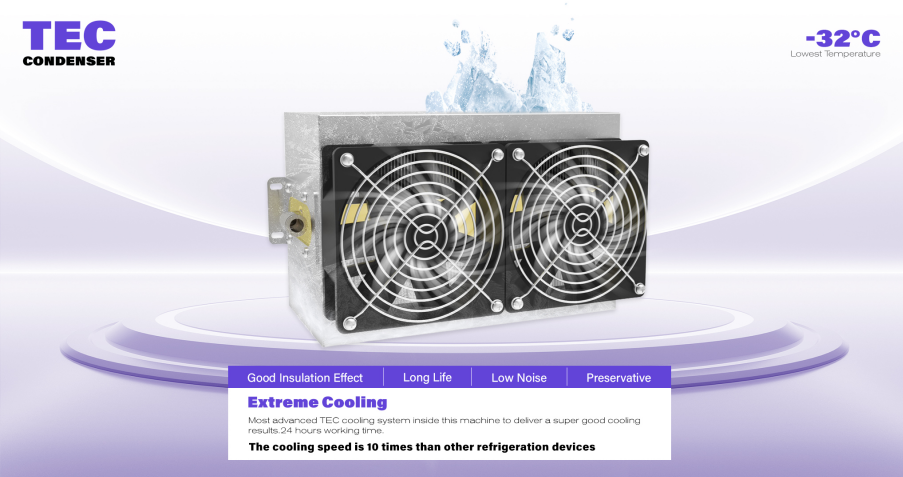
Patient comfort is a major factor in customer satisfaction and repeat business. A strong cooling system reduces pain and minimizes the risk of skin damage.
Professional systems typically use:
- TEC semiconductor cooling
- Water cooling
- Air cooling
- Sapphire contact cooling
An advanced cooling system is a key feature of any professional laser hair removal machine, allowing continuous operation for extended periods without performance loss.
Clinics should always prioritize machines with proven cooling stability.
4. Consider Treatment Speed and Efficiency
Time efficiency directly affects clinic profitability. Faster treatments allow clinics to serve more clients per day.
Important features include:
- Large spot size (e.g., 12×20 mm or 15×30 mm)
- High repetition rate (up to 10Hz)
- Stable pulse delivery
A modern medical diode laser with optimized speed can significantly reduce treatment time for large areas such as legs or back.
This improves both client satisfaction and operational efficiency.
5. Check Certifications and Safety Standards
Safety compliance is essential for medical and aesthetic equipment. Clinics should always verify that the machine meets international regulatory requirements.
Common certifications include:
- CE certification
- FDA clearance
- ISO13485 quality management
A certified hair removal machine for clinics demonstrates that the manufacturer follows strict quality and safety standards.
This is especially important for clinics operating in regulated markets such as Europe, the Middle East, and North America.
6. Choose a Reliable Manufacturer and After-Sales Support
The long-term performance of your machine depends heavily on the manufacturer. A trusted diode laser machine supplier provides:
- Professional training
- Technical support
- Spare parts availability
- Warranty service
- Fast response time
Reliable after-sales support reduces downtime and protects your investment.
When evaluating suppliers, consider:
- Years of manufacturing experience
- Customer reviews
- Export history
- Service network
Clinics should always partner with experienced manufacturers who understand clinical needs.
7. Understand Total Cost and Return on Investment
Price is important, but value matters more. The cheapest machine may lead to higher maintenance costs and lower treatment performance.
When calculating investment value, consider:
- Machine lifespan
- Maintenance costs
- Treatment revenue
- Client demand
- Energy efficiency
A high-quality diode laser hair removal machine can generate strong revenue within the first year of operation.
Clinics that focus on long-term reliability often achieve better financial results.
Conclusion
Selecting the right professional laser hair removal machine requires more than comparing prices. Clinics must evaluate wavelength technology, power output, cooling performance, certifications, and manufacturer reliability.
A well-chosen medical diode laser not only improves treatment quality but also enhances clinic reputation and profitability. By working with a trusted diode laser machine supplier, clinics can ensure safe operation, satisfied clients, and sustainable business growth.