Diode laser hair removal has become one of the most effective treatments for permanent hair reduction. The technology relies on the ability to target the hair follicle with a specific wavelength of light to disable its growth. However, choosing the right machine can be confusing, especially when it comes to the power (wattage) of the device. This article explains how the wattage of a diode laser machine can impact the quality of treatment, results, and overall efficiency.
Understanding the Role of Power in Diode Laser Machines
When it comes to diode laser hair removal machines, power plays a critical role in determining the efficiency and effectiveness of the treatment. The power (measured in watts) of the laser directly influences how much energy is delivered to the skin and hair follicle.
The higher the wattage, the more energy is transmitted in a shorter time, which typically results in a faster treatment. However, it is important to note that excessive power can also increase the risk of side effects, such as skin burns or discomfort. Therefore, understanding the right wattage for your needs is key.
How Much Wattage is Sufficient for Diode Laser Hair Removal?
In general, the power of a diode laser machine for hair removal ranges from 30 watts to 100 watts. For most users, machines with 50 to 80 watts are typically sufficient for optimal results. Here’s a breakdown of wattage and its relevance:
Low Wattage (30W-100W):
These machines are still commonly found in certain smaller-scale clinics or for specific personal-use devices. They are useful for small areas like the upper lip or underarms and are suitable for clients with fair skin and lighter hair. These lasers may have slower treatment times due to the lower power but can still achieve effective results.
Medium Wattage (100W-1000W):
Most professional diode laser machines fall into this range. They strike a balance between treatment speed, energy penetration, and safety. This range is more efficient for medium-sized treatment areas (like the legs or arms) and works well for a broader spectrum of skin types and hair colors. For example, 200W-800W wattage is optimal for treating most areas, offering quicker sessions and more predictable results.
High Wattage (1200W-3000W):
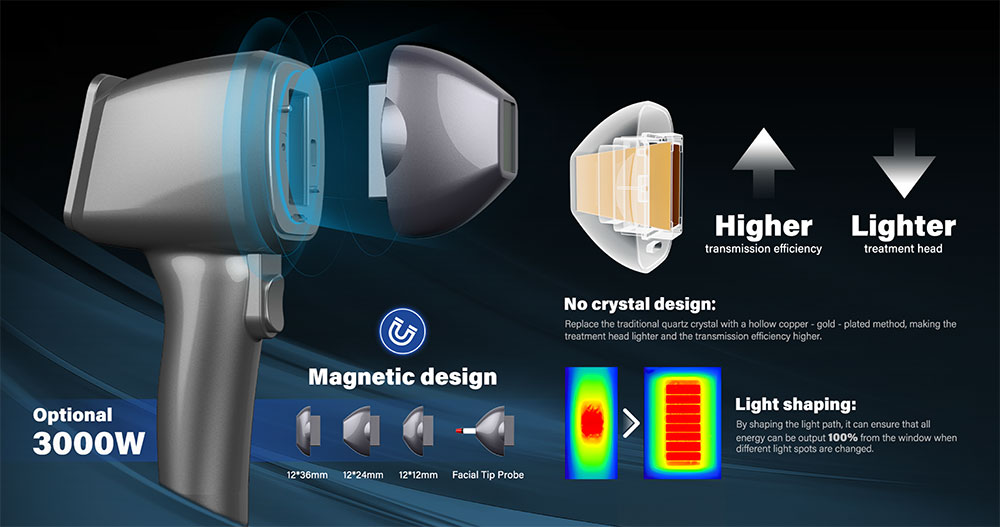
High-power diode lasers typically operate between 1200W and 3000W. These are considered high-performance machines and are typically designed for larger treatment areas, such as full back, chest, and legs. High wattage allows the laser to penetrate deeper into the skin, which is beneficial for clients with darker skin tones or coarse hair. It also significantly reduces treatment times, offering faster results compared to lower-wattage machines. However, these devices come with higher risks of burns and discomfort if not used with proper safety features (like cooling systems) and appropriate settings.
Why Are Modern Machines Using High Wattages?
- Faster Treatment Times: High wattage lasers can deliver more energy in less time, making them ideal for treating larger areas more quickly, which is especially beneficial for busy clinics with many clients.
- Deeper Penetration: With increased wattage, the laser can penetrate deeper into the dermis, targeting hair follicles more effectively. This is crucial for clients with thicker or darker hair.
- Accommodating Different Skin Types: High-wattage machines are better equipped to handle a variety of skin types, including darker skin tones that require more energy to absorb the laser light and effectively disable the hair follicle.
- Advanced Technology: Many modern high-wattage diode lasers come with additional features like adjustable pulse durations, spot sizes, and integrated cooling systems, which make them safer and more versatile while still delivering superior results.
Factors Influencing Power Requirements
The ideal wattage for a diode laser machine also depends on several factors, such as:
- Skin Type: Darker skin types may require higher wattage for effective treatment, as the laser needs to penetrate deeper to target the hair follicle.
- Hair Thickness and Color: Coarse, dark hair absorbs more light and thus may require a higher-powered machine compared to fine or light-colored hair.
- Treatment Area: Larger areas like the back or legs typically benefit from machines with higher wattage for quicker and more effective results.
- Technology and Features: Some advanced diode lasers feature cooling systems or adjustable energy settings, allowing them to safely handle higher wattage while minimizing side effects.
Choosing the Right Diode Laser Machine for Your Clinic
If you’re running a clinic, choosing the right diode laser machine involves balancing power with other factors like reliability, patient comfort, and overall machine cost. Here are some tips to help you make an informed decision:
- Consider the Skin Tone and Hair Type of Your Clients: Ensure that the machine you select offers versatility for different skin tones and hair types, which can affect the choice of power needed.
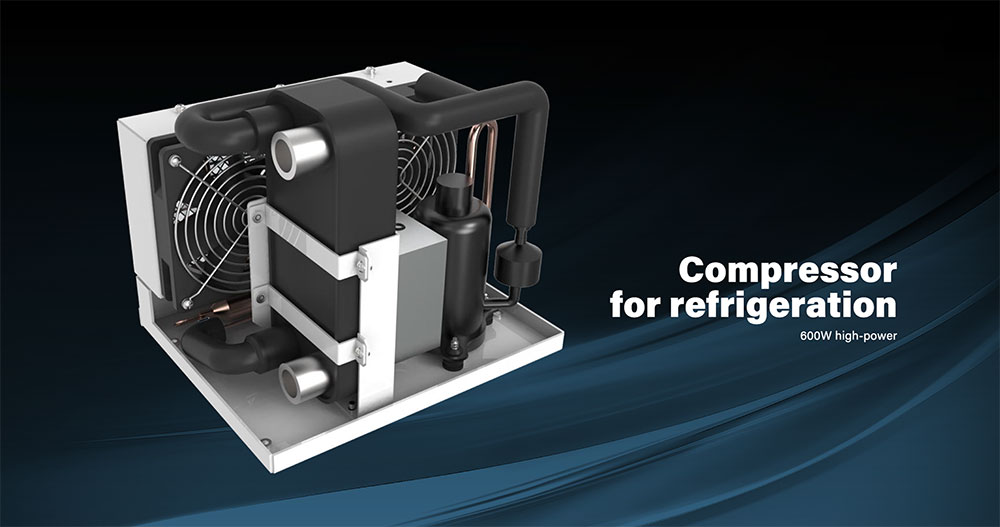
- Evaluate the Machine’s Cooling System: A powerful diode laser without an efficient cooling system can cause discomfort or burns. Look for machines with integrated cooling features to ensure patient safety.
- Consult the Manufacturer’s Specifications: Manufacturers will often provide recommended wattage ranges for optimal treatment, which can be helpful in narrowing down your options.
Conclusion
When choosing a diode laser hair removal machine, wattage is an important factor to consider, but it’s not the only one. The key is to find the right wattage that matches the treatment area, skin type, and hair characteristics of your clients. While 1200W to 3000W machines are more common in advanced, professional settings, these devices should be used carefully with adequate training, as higher wattages require more precise adjustments to ensure patient safety and comfort.
For most clinics, machines in the 100W-1000W range are more than sufficient for most treatments. However, high-wattage lasers are the go-to for clinics offering large-area treatments or working with clients who have more specific needs.