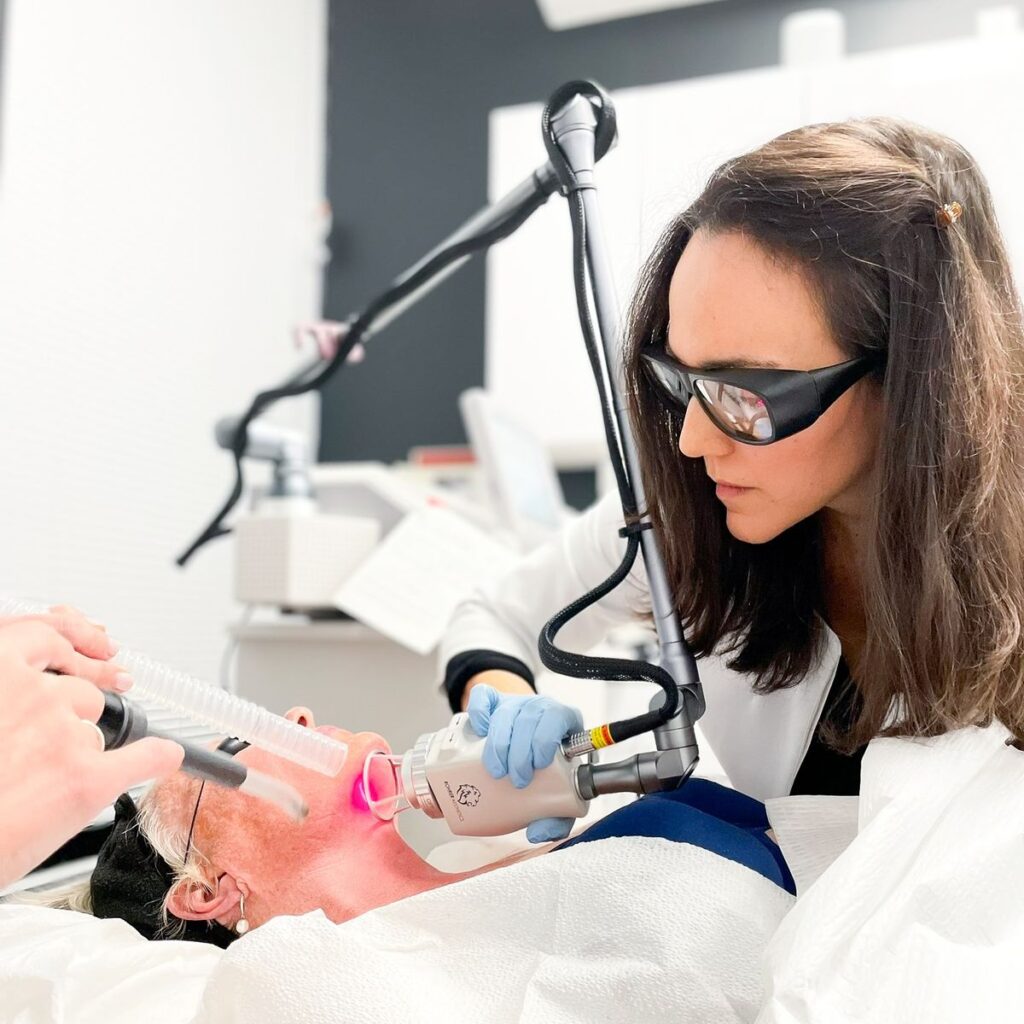
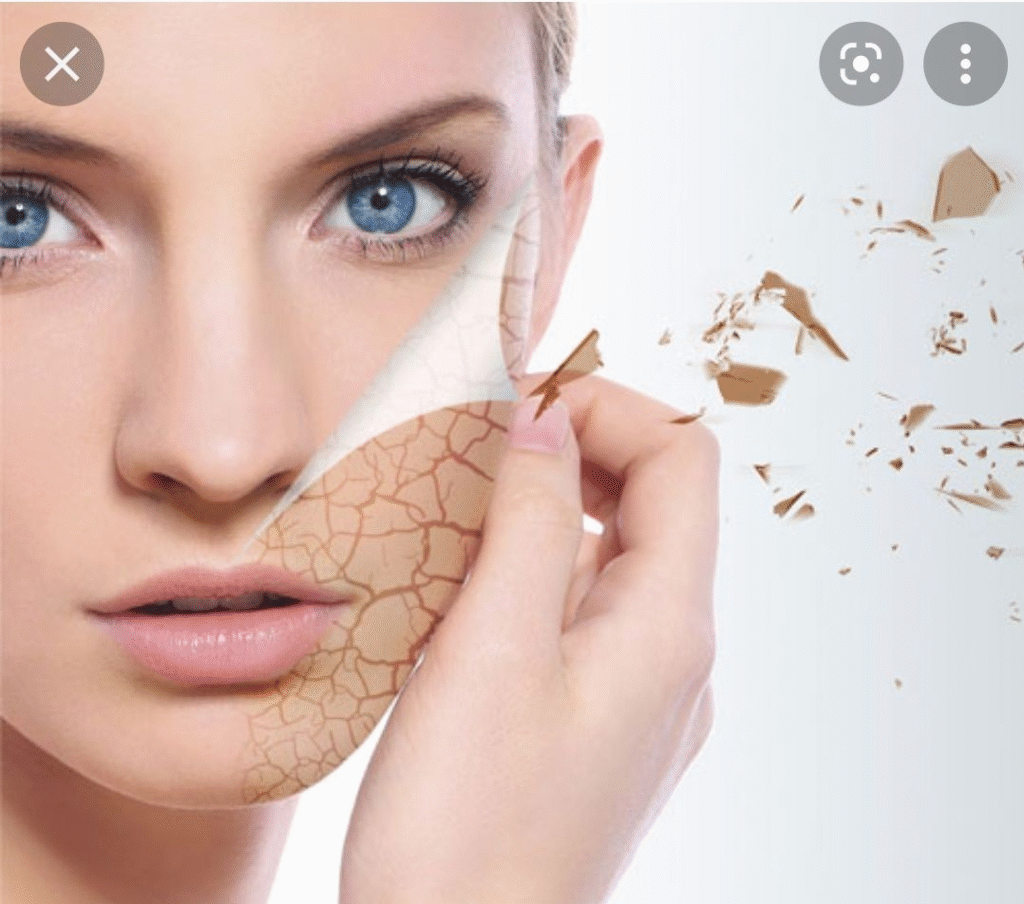
When clinics plan to invest in a skin resurfacing, the most common comparison is CO2 laser vs 1927nm thulium laser. These two systems represent different technical paths—ablative laser versus non-ablative laser technology. Each offers unique clinical benefits, patient experiences, and business implications. Understanding their differences is essential for clinics aiming to balance treatment results, safety, and profitability.
What Is a CO2 Laser?
A CO2 laser (10,600nm) is a classic ablative laser treatment widely used for deep skin resurfacing. It works by vaporizing micro-columns of skin tissue, triggering strong collagen remodeling.
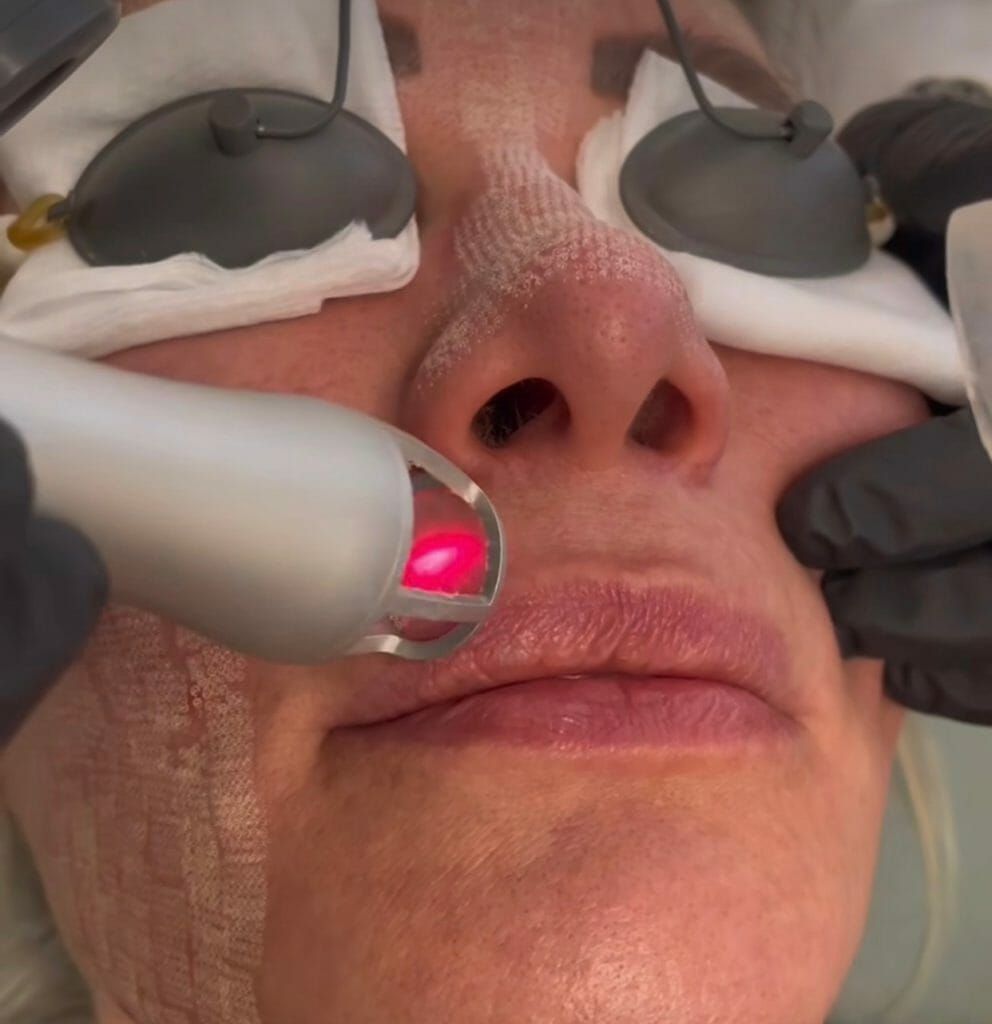
Key Characteristics
- Removes damaged skin layers precisely
- Strong stimulation of collagen regeneration
- Best suited for deep wrinkles, acne scars, and severe photoaging
Pros
- Dramatic, long-lasting results
- Gold standard for advanced skin resurface laser procedures
Cons
- Longer downtime (7–14 days or more)
- Higher risk of erythema, PIH, and infection if not properly managed
- Requires experienced operators and strict post-care protocols
What Is a 1927nm thulium Laser?
The 1927nm thulium laser, commonly known as a thulium laser, is a non-ablative laser that targets the epidermis and superficial dermis without removing the skin surface. It is increasingly popular for pigmentation and texture improvement.
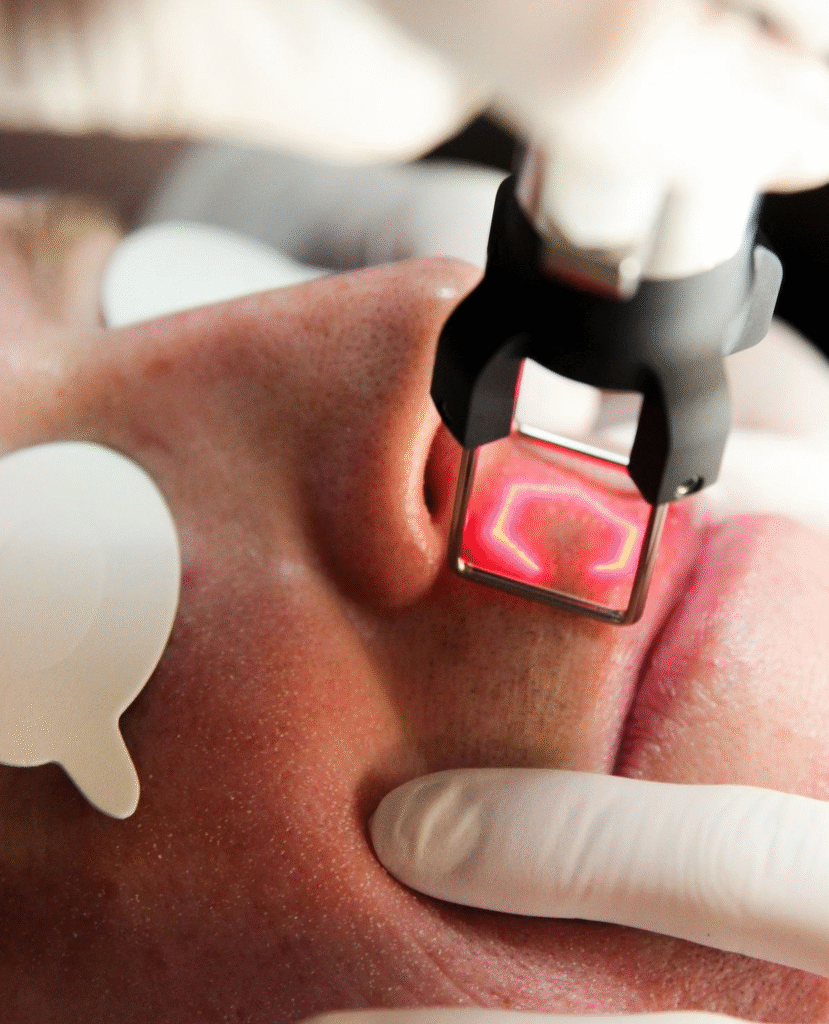
Key Characteristics
- Fractional, non-ablative energy delivery
- Focused on pigmentation, melasma, and early aging
- Minimal disruption to the skin barrier
Pros
- Short downtime (1–3 days)
- Lower risk profile compared with ablative systems
- Suitable for frequent treatments and combination therapies
Cons
- Results are more gradual
- Not ideal for deep scars or severe wrinkles
CO2 vs 1927nm thulium Laser: Key Differences
| Aspect | CO2 Laser | 1927nm Laser |
|---|---|---|
| Technology | Ablative | Non-ablative |
| Downtime | Long | Short |
| Treatment Depth | Deep dermis | Epidermis & superficial dermis |
| Main Indications | Scars, deep wrinkles | Pigmentation, texture |
| Risk Level | Higher | Lower |
This comparison shows that CO2 laser vs 1927nm thulium laser is not about which is better overall, but which fits a clinic’s positioning and patient demand.
Internal Resources for Clinics
To further support safe and effective clinical use of fractional systems, clinics can refer to the following in-depth guides:
- How to Operate a Fractional Laser Safely: Settings, Energy, and Recovery Tips – A practical tutorial covering parameter selection, safety precautions, and post-treatment care to minimize risks and improve outcomes.
- Fractional Laser Treatment Protocols for Different Skin Types (I–VI) – A clinical protocol guide detailing customized treatment strategies based on Fitzpatrick skin types, helping clinics reduce complications and optimize results.
These resources are especially valuable for clinics using either CO2 or non-ablative systems as part of a comprehensive skin resurfacing program.
Which Should Clinics Choose?
Clinics focusing on advanced anti-aging and scar revision may benefit more from a CO2 laser, as ablative laser delivers visible, transformative results. However, it requires higher technical expertise and patient compliance.
Clinics targeting pigmentation management, melasma treatment, and low-downtime procedures may find the 1927nm thulium laser more versatile. As a non-ablative laser, it attracts patients seeking effective results with minimal recovery time.
Many high-end clinics ultimately choose to offer both options, covering a broader range of indications and maximizing return on investment in the skin resurface laser market.
Conclusion
The decision between CO2 vs 1927nm thulium laser depends on clinical goals, patient demographics, and operational capability. Ablative laser with CO2 delivers powerful resurfacing results, while non-ablative laser solutions like the 1927nm system provide safer, faster-recovery alternatives. Clinics that clearly define their treatment focus will make the most strategic and profitable choice.
In practice, patient education and expectation management are equally important. Clinics should explain downtime, treatment stages, and realistic outcomes before selecting a device. Combining strong clinical protocols with proper device positioning helps improve patient satisfaction and reduce complications. As demand grows for both corrective and maintenance-level procedures, clinics that invest in the right skin resurfacing laser technology will remain competitive in an increasingly sophisticated aesthetic market.