


Safe and effective fractional laser operation is essential for achieving consistent clinical results while minimizing complications. Whether a clinic is using a fractional laser for ablative resurfacing or a 1927nm fractional laser for non-ablative treatments, correct parameter selection and recovery management play a critical role in patient outcomes. This guide outlines practical safety principles, recommended settings logic, and post-treatment recovery tips for daily clinical use.
Understanding Fractional Laser Parameters
Before treatment, operators must fully understand how different parameters interact. Improper adjustment is one of the most common causes of adverse events in fractional laser safety management.
Key Parameters Explained
- Energy (mJ): Determines treatment intensity and penetration depth
- Density (% or MTZ count): Controls the number of microthermal zones per pass
- Pulse Duration: Affects thermal diffusion and surrounding tissue damage
- Passes: Multiple passes increase efficacy but also raise risk
A conservative approach—starting with lower energy and density—is recommended, especially for first-time patients.
Safe Settings: CO2 vs 1927nm Fractional Lasers
CO2 Laser (Ablative)
The fractional laser delivers strong resurfacing effects but requires strict safety control.
General Safety Guidelines:
- Use lower energy for thinner skin areas (periorbital, neck)
- Avoid excessive overlap between passes
- Ensure adequate cooling intervals between passes
CO2 systems are best suited for experienced operators who can balance results with downtime management. Clinics considering device selection can refer to professional CO2 fractional laser product pages to evaluate system stability and control precision.
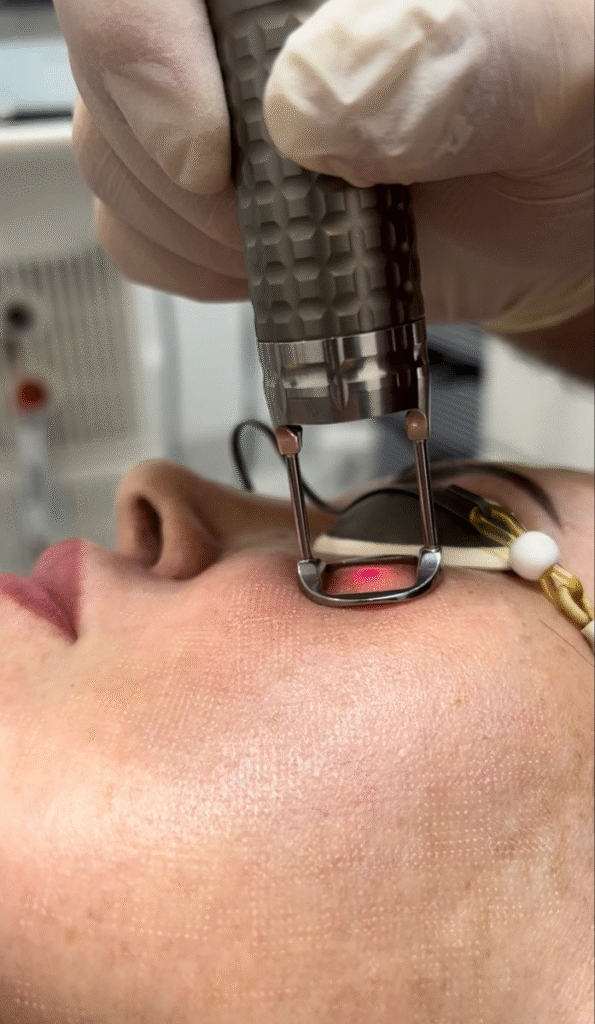
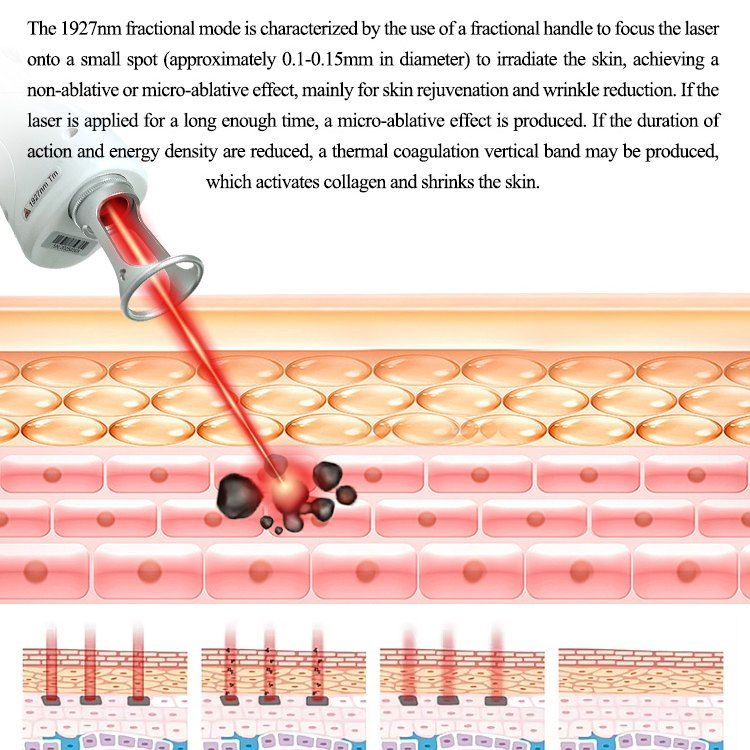
1927nm Fractional Laser (Non-ablative)
The 1927nm fractional laser targets superficial layers and is widely used for pigmentation and texture improvement.
General Safety Guidelines:
- Moderate energy with higher density for uniform epidermal coverage
- Suitable for repeated sessions with short intervals
- Lower risk of post-inflammatory hyperpigmentation compared to ablative systems
Clinics focusing on low-downtime treatments often integrate a 1927nm fractional laser system into combination therapy protocols.
Pre-Treatment Safety Checklist
A standardized checklist significantly improves fractional laser safety:
- Conduct full skin assessment and Fitzpatrick typing
- Review medical history and contraindications
- Obtain informed consent with downtime explanation
- Perform test spots when necessary
These steps reduce complications and improve patient trust.
Post-Treatment Recovery Tips
Effective laser treatment recovery management is as important as treatment itself.
Immediate Aftercare
- Apply soothing, barrier-repair products
- Avoid heat exposure and sun for at least 48 hours
- Use broad-spectrum sunscreen consistently
Follow-Up Care
- Schedule follow-up visits to assess healing
- Educate patients on signs of abnormal reactions
- Adjust future settings based on recovery response
Clear recovery guidance improves satisfaction and reduces unnecessary post-treatment concerns.
Choosing the Right Fractional Laser System
Operational safety is closely tied to equipment quality. Systems with precise energy control, stable output, and intuitive interfaces reduce operator error.
Clinics looking to expand or upgrade their laser portfolio may compare:
- CO2 fractional laser systems for advanced resurfacing
- 1927nm fractional laser devices for pigmentation-focused, low-downtime treatments
Selecting the right platform supports both safety and long-term clinical success.
Conclusion
Mastering fractional laser safety operation requires more than technical knowledge—it demands a structured safety mindset. By understanding settings logic, differentiating between CO2 and 1927nm technologies, and prioritizing recovery management, clinics can deliver reliable results while minimizing risks. Investing in well-designed fractional laser systems further enhances treatment consistency and patient confidence.
In addition, continuous staff training and protocol standardization are critical for long-term success. Clinics should regularly review treatment outcomes, update parameter guidelines, and document patient responses to refine future sessions. Combining high-quality equipment with evidence-based operation strategies not only improves clinical safety but also strengthens a clinic’s professional reputation. As patient awareness increases, clinics that emphasize safety, transparency, and predictable recovery will gain a clear competitive advantage in the aesthetic laser market.
By combining standardized operating steps with reliable CO2 and 1927nm fractional laser platforms, clinics can confidently deliver safe treatments while building long-term patient trust and sustainable growth.

2 thoughts on “How to Operate a Fractional Laser Safely: Settings, Energy, and Recovery Tips”