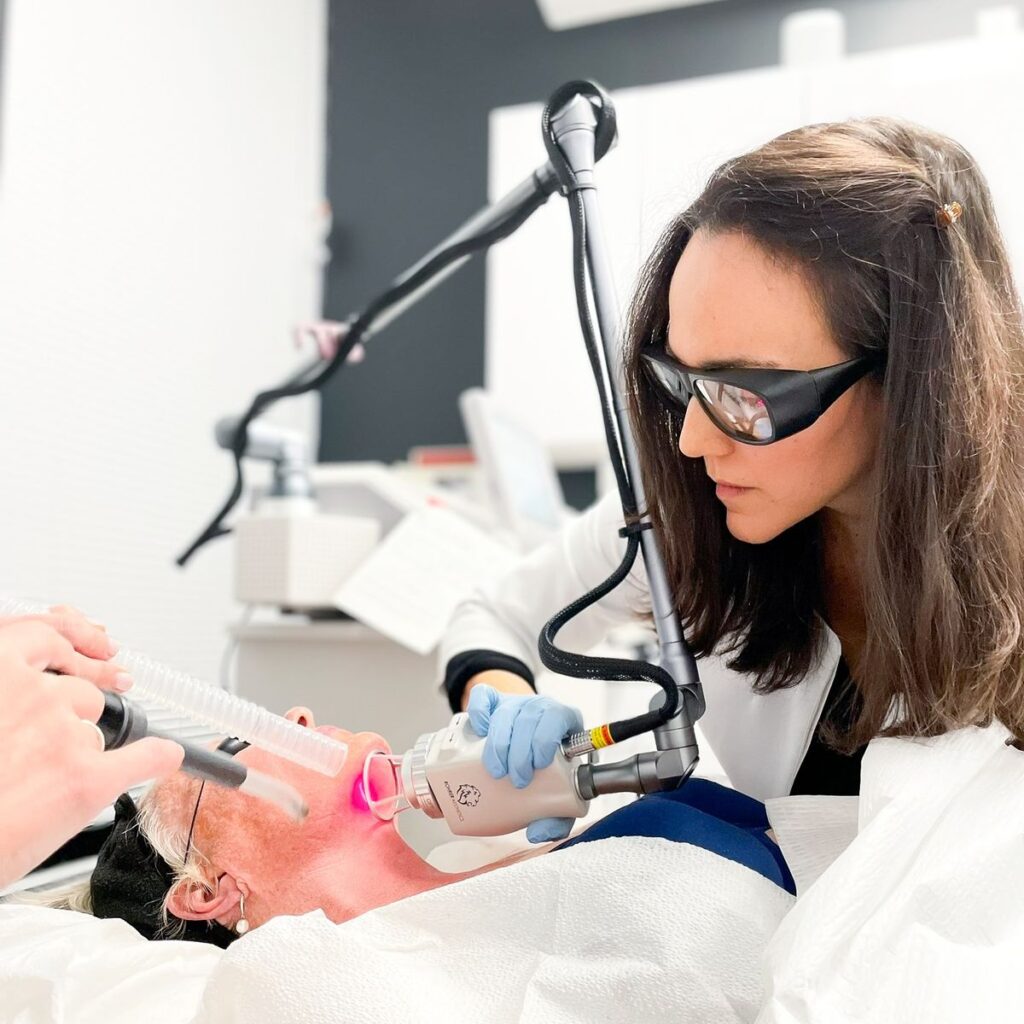
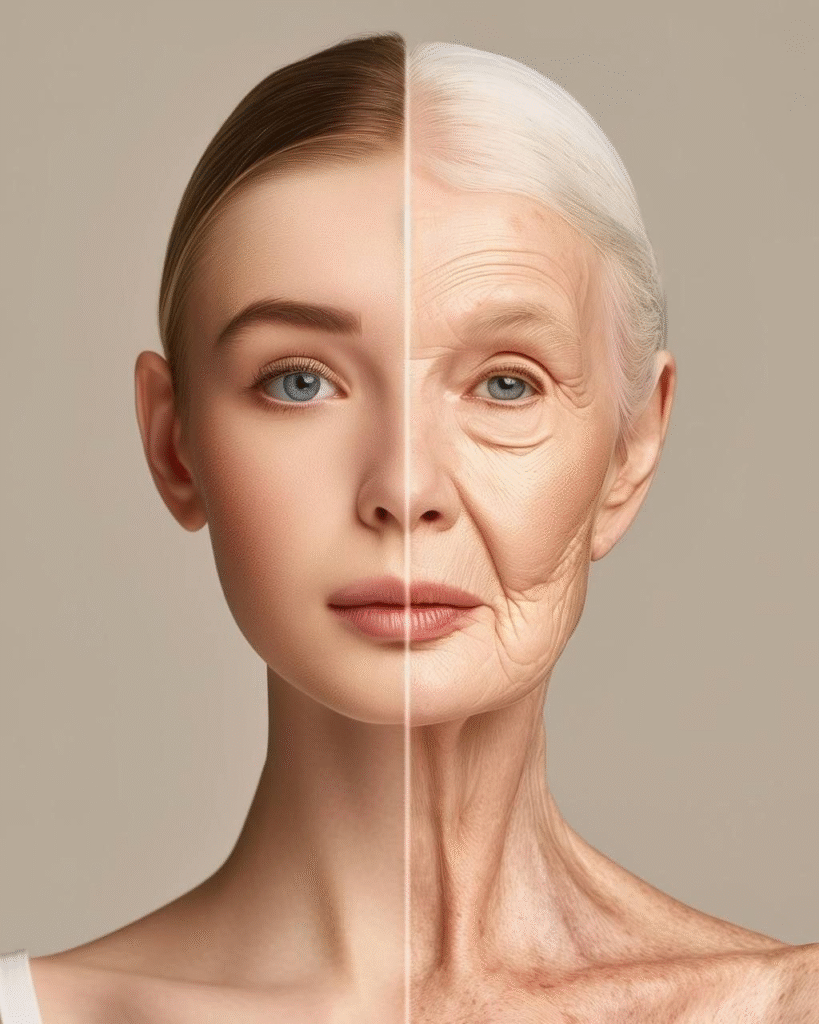
Fitzpatrick skin types (I–VI) require different fractional laser treatment protocols to achieve optimal clinical outcomes while minimizing complications.
Skin response to laser energy varies significantly based on melanin content, healing capacity, and inflammation risk. This guide provides practical, clinic-oriented protocols for both CO₂ fractional laser and 1927nm fractional laser treatments across all skin types.
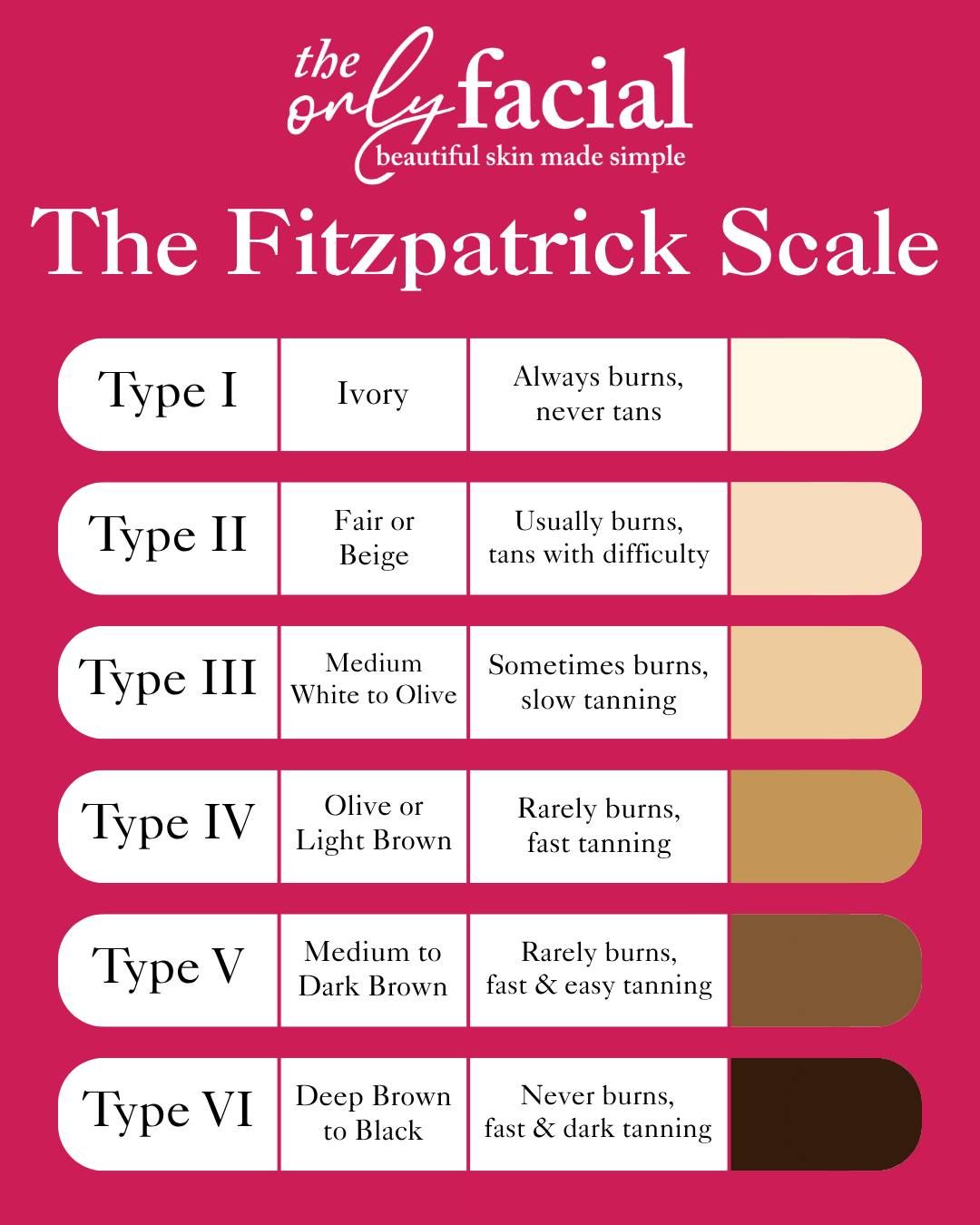
Why Fitzpatrick Skin Types Matters in Fractional Laser Treatments
Melanin competes with water as a chromophore and influences post-treatment inflammation. Incorrect protocol selection is a leading cause of adverse events such as post-inflammatory hyperpigmentation (PIH), prolonged erythema, and uneven outcomes.
Adapting treatment parameters based on skin type improves:
- Treatment predictability
- Patient safety
- Long-term satisfaction and retention
Skin Types I–II: Very Light to Light Skin
Characteristics:
- Low melanin content
- Minimal PIH risk
- Faster recovery response
Recommended Protocols:
- CO2 fractional laser: Moderate energy, standard density
- 1927nm fractional laser: Medium energy, uniform coverage
- 1–2 passes depending on indication
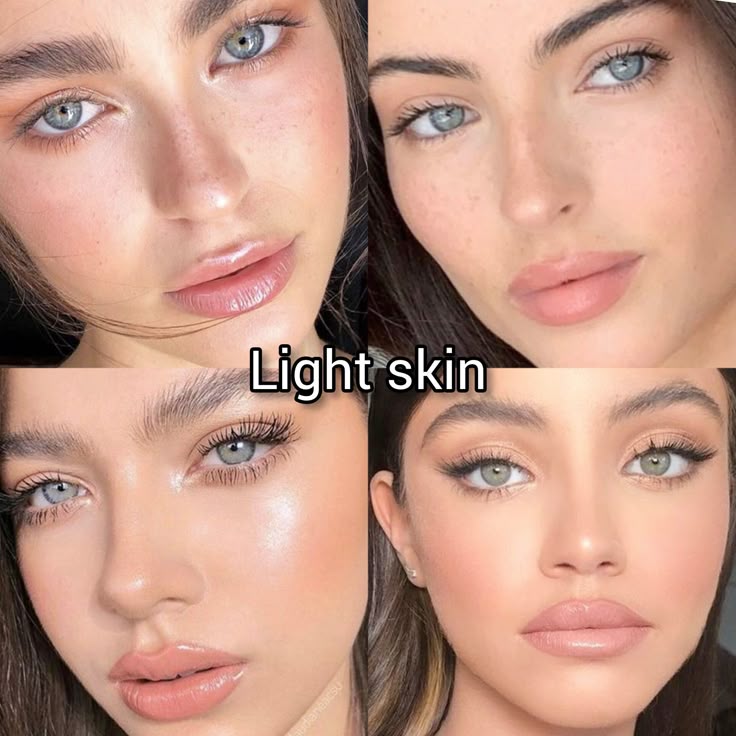
Clinical Focus: Wrinkle reduction, acne scars, and overall skin resurfacing
Skin Types III–IV: Light Brown to Moderate Brown Skin
Characteristics:
- Moderate melanin levels
- Increased PIH risk
- Slower inflammatory resolution
Recommended Protocols:
- CO2 fractional laser: Lower energy, reduced density
- 1927nm fractional laser: Lower energy with higher density for pigmentation
- Longer intervals between sessions
Clinical Focus: Texture improvement, dyschromia, early photoaging

Skin Types V–VI: Dark Brown to Very Dark Skin
Characteristics:
- High melanin content
- Highest PIH and thermal injury risk
- Requires conservative energy delivery
Recommended Protocols:
- CO2 fractional laser: Generally not first-line; test spots required
- 1927nm fractional laser: Low energy, low-to-moderate density
- Emphasis on gradual improvement over multiple sessions
Clinical Focus: Pigmentation control, skin tone refinement, maintenance treatments

Pre- and Post-Treatment Protocol Essentials
Regardless of skin type, standardized safety steps are critical for laser treatment safety:
Pre-Treatment
- Accurate Fitzpatrick skin typing
- Avoidance of sun exposure and photosensitizing agents
- Test spots for higher-risk skin types
- Document patient baseline skin condition for comparison
Post-Treatment
- Strict photoprotection
- Barrier repair and anti-inflammatory skincare
- Close follow-up for early PIH detection
- Patient education on proper home care to support healing
Device Selection and Protocol Stability
Protocol consistency depends heavily on device precision. Systems offering stable output, fine energy adjustment, and predictable spot distribution reduce operator variability.
Clinics commonly integrate:
- CO2 fractional laser systems for advanced resurfacing in lower-risk skin types
- 1927nm fractional laser platforms for pigmentation-focused and mixed skin-type populations
Regular calibration and preventive maintenance ensure long-term performance and protocol reproducibility. Additionally, integrating real-time monitoring features and automated settings minimizes human error and improves safety.
Clinical Implementation Tips
- Maintain a detailed log of all treatment parameters for each patient
- Adjust energy and density incrementally based on skin response
- Implement gradual treatment plans for high-risk skin types
- Combine fractional laser treatments with supportive topical or systemic therapies when indicated
- Continuous professional training ensures staff can adapt protocols safely
Conclusion
Tailoring fractional laser treatment protocols to Fitzpatrick skin types I–VI is essential for safe and effective clinical outcomes. By adjusting energy, density, and treatment intervals—and selecting appropriate CO2 or 1927nm systems—clinics can minimize complications while delivering consistent, high-quality results. A skin-type–based approach not only improves safety but also strengthens patient trust and long-term clinical success.
Furthermore, clinics should integrate continuous monitoring of patient responses, record treatment outcomes systematically, and review protocols regularly to refine and optimize future sessions. Combining precise device control, staff training, and patient education ensures that treatments are reproducible and complications are minimized. Incorporating follow-up surveys and feedback mechanisms allows clinics to track patient satisfaction and adjust protocols accordingly. This holistic approach allows clinics to confidently expand their patient base while maintaining high standards of care and safety, ultimately supporting sustainable growth and professional reputation in the aesthetic laser field.